Tankless Water Heater Installation in Davidsonville, MD & Surrounding Areas
Tankless Water Heater Installation in Prince George’s County, MD
Running out of hot water in the middle of a shower is more than inconvenient. It disrupts your routine and signals that your water heating system isn’t meeting your household’s needs.
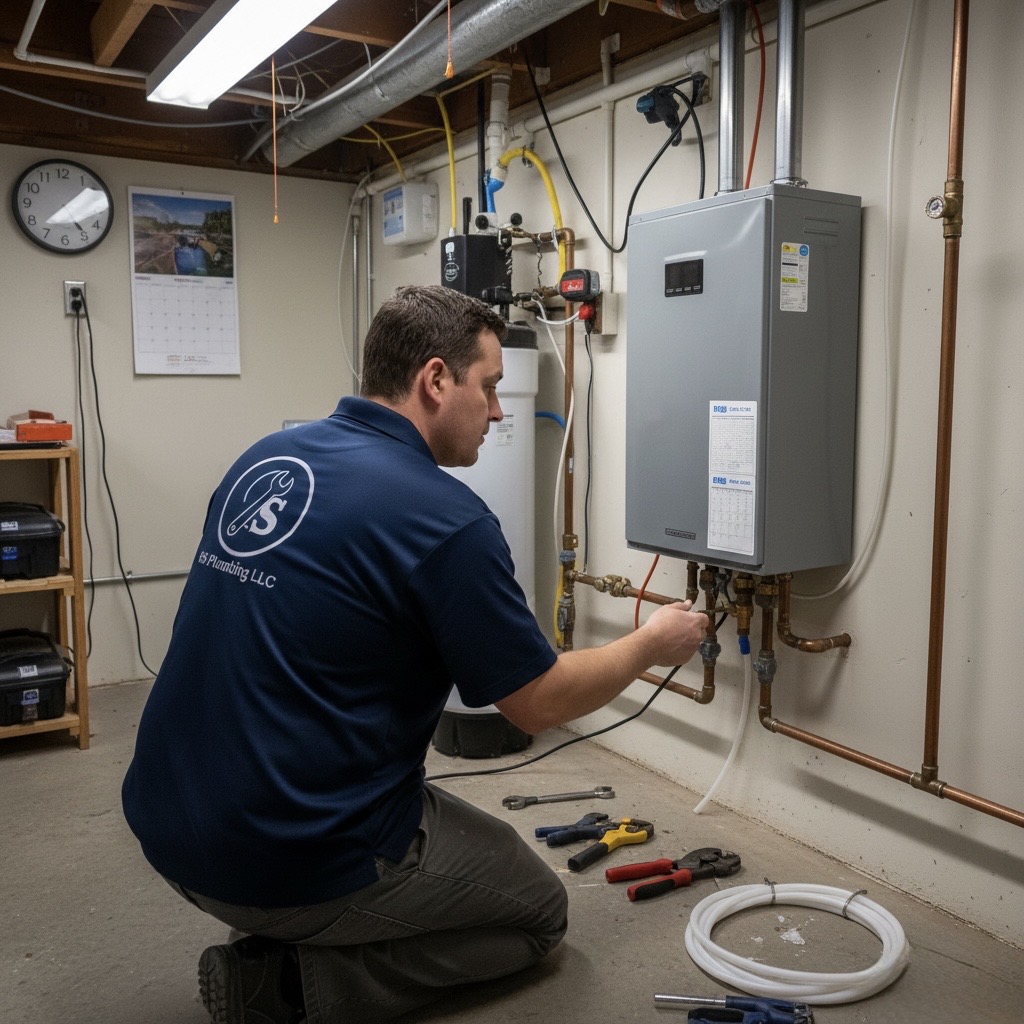
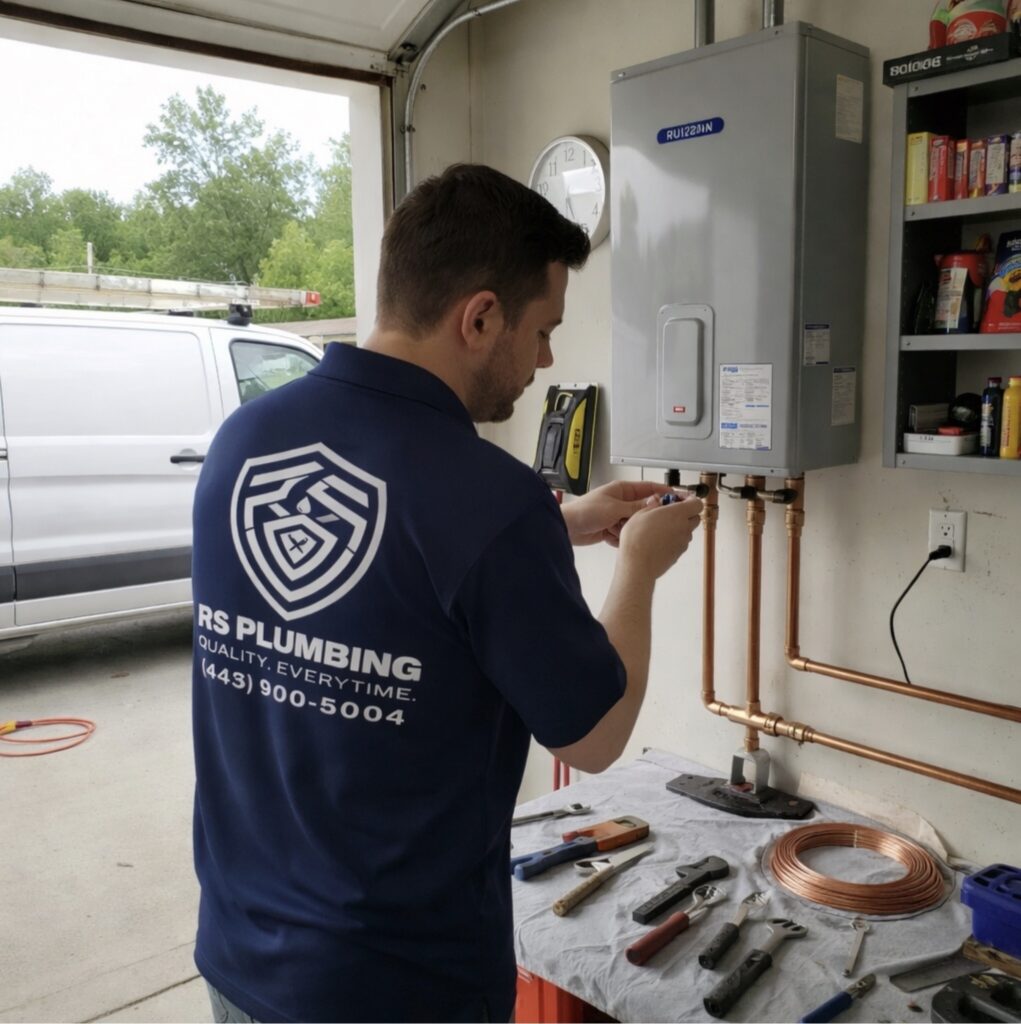
RS Plumbing LLC provides professional tankless water heater installation throughout Prince George’s County, MD. We help homeowners and businesses upgrade to efficient, on-demand water heating systems that deliver endless hot water while reducing energy costs.
What Is a Tankless Water Heater?
A tankless water heater heats water only when you need it. Unlike traditional tank systems that store and continuously heat 40 to 80 gallons of water, a tankless unit activates when you turn on a hot water tap.
Cold water flows through the unit and passes over a heat exchanger. A gas burner or electric element heats the water instantly. Hot water reaches your faucet, shower, or appliance within seconds.
Because there’s no storage tank, you never run out of hot water during back-to-back showers or when running multiple appliances. The system shuts off when you close the tap, eliminating standby energy loss.
This on-demand approach makes tankless water heaters significantly more energy-efficient than conventional storage tank models.
Why Prince George’s County Homes Benefit from Tankless Water Heater Installation
Prince George’s County includes diverse communities from Bowie to College Park, Laurel to Fort Washington. Homes range from historic properties in Hyattsville to newer developments in Upper Marlboro.
Many older homes in the area still rely on aging tank water heaters that waste energy and space. Newer construction often incorporates energy-efficient systems from the start, but homeowners in existing properties can achieve similar efficiency through tankless water heater replacement.
Maryland’s climate creates year-round demand for reliable hot water. Cold winters mean incoming groundwater temperatures drop, requiring your water heater to work harder. A properly sized tankless system handles this demand without the recovery time limitations of tank heaters.
Local water quality in Prince George’s County also matters. Our area’s moderate mineral content requires periodic maintenance but doesn’t prevent tankless systems from performing well when professionally installed and serviced.
Benefits of Upgrading to a Tankless Water Heater
Energy savings represent the most compelling reason to install a tankless water heater. Traditional tank heaters constantly reheat stored water, even when you’re asleep or away from home. Tankless systems eliminate this standby heat loss.
Most homeowners see energy cost reductions of 24 to 34 percent compared to tank models. For homes using 41 gallons or less of hot water daily, savings can reach 34 percent. Even households with higher usage typically save 14 percent or more.
Endless hot water means never timing showers or waiting between laundry loads. A whole-home tankless water heater can supply multiple fixtures simultaneously when properly sized for your household’s peak demand.
Space savings matter in homes with limited utility room area or basement space. Tankless units mount on walls and measure roughly the size of a small suitcase. Removing a bulky 50-gallon tank frees up valuable square footage.
Longer lifespan gives you better long-term value. Tank water heaters typically last 10 to 15 years. Quality tankless systems often exceed 20 years with proper maintenance, reducing replacement frequency and long-term costs.
Gas vs Electric Tankless Water Heaters
Choosing between gas and electric tankless water heaters depends on your home’s existing infrastructure, hot water demands, and installation location.
Gas tankless water heaters use natural gas or propane to heat water. They deliver higher flow rates, making them ideal for whole-home applications and larger households. A gas unit can typically handle 5 to 7 gallons per minute, enough for simultaneous showers and appliance use.
Gas models require proper venting to exhaust combustion gases safely. Installation costs run higher because of venting requirements, potential gas line upgrades, and combustion air considerations. However, lower fuel costs in many areas offset the installation investment over time.
Electric tankless water heaters work well for point-of-use applications or smaller homes with modest hot water needs. They’re compact, require no venting, and install more easily in tight spaces.
Electric models need significant electrical capacity. Whole-home electric tankless systems may require 150-amp or 200-amp electrical service and dedicated circuits. Many older homes in communities like Greenbelt or Landover need electrical panel upgrades to support these units.
Operating costs for electric tankless systems tend to run higher than gas in Prince George’s County due to electricity rates. However, electric units make sense for locations where gas isn’t available or for supplemental point-of-use installations.
Installation Considerations for Prince George’s County Homes
Professional tankless water heater installation involves more than swapping out your old unit. Several technical factors determine proper system performance and code compliance.
Sizing the unit correctly ensures you receive adequate hot water during peak usage times. An undersized tankless water heater won’t meet demand when multiple fixtures run simultaneously. A qualified installer calculates your household’s flow rate requirements based on fixture count, usage patterns, and simultaneous demand.
Gas line capacity must support your tankless unit’s BTU input. Many existing gas lines sized for tank heaters can’t deliver sufficient gas volume for tankless systems. Upgrading gas piping ensures safe, efficient operation.
Venting requirements for gas tankless water heaters differ from traditional tank models. Most require Category III stainless steel venting or PVC venting for condensing models. Vent pipe sizing, termination location, and combustion air supply must meet manufacturer specifications and local building codes.
Electrical requirements extend beyond electric tankless models. Gas tankless units also need dedicated electrical circuits for ignition, control boards, and sometimes for powered venting systems.
Water quality considerations affect long-term performance. While Prince George’s County water doesn’t present extreme hardness issues, periodic descaling maintenance extends system life. Your installer can assess whether a water softener or filtration makes sense for your situation.
Permit requirements and code compliance protect your investment and safety. Prince George’s County requires permits for tankless water heater installation. Professional installers handle permit applications, ensure installations meet Maryland plumbing code, and arrange required inspections.
Cost Factors and Long-Term Value
Tankless water heater cost includes equipment, installation labor, and any necessary infrastructure upgrades. Understanding these components helps you make an informed decision.
Equipment prices vary by type, brand, and capacity. Whole-home gas tankless units typically cost more than electric models upfront. Point-of-use electric heaters represent the most affordable equipment option but don’t replace whole-home systems.
Installation complexity significantly impacts total project cost. Straightforward replacements in homes with adequate gas lines, electrical service, and proper venting locations cost less than installations requiring infrastructure upgrades.
Common additional costs include gas line modifications, electrical panel upgrades, new venting systems, and valve installations for water line protection. Older homes in areas like Capitol Heights or District Heights more frequently need these upgrades.
Long-term value extends beyond energy savings. Factor in the extended lifespan, reduced maintenance compared to tank heaters, and increased home value when evaluating total cost.
Energy-efficient water heating qualifies for certain utility rebates and tax incentives. Your installer can provide information about current programs that reduce net installation costs.
Financing options make upgrades more accessible. Many homeowners find that monthly energy savings offset financing payments, creating immediate positive cash flow.
Why Professional Installation Matters
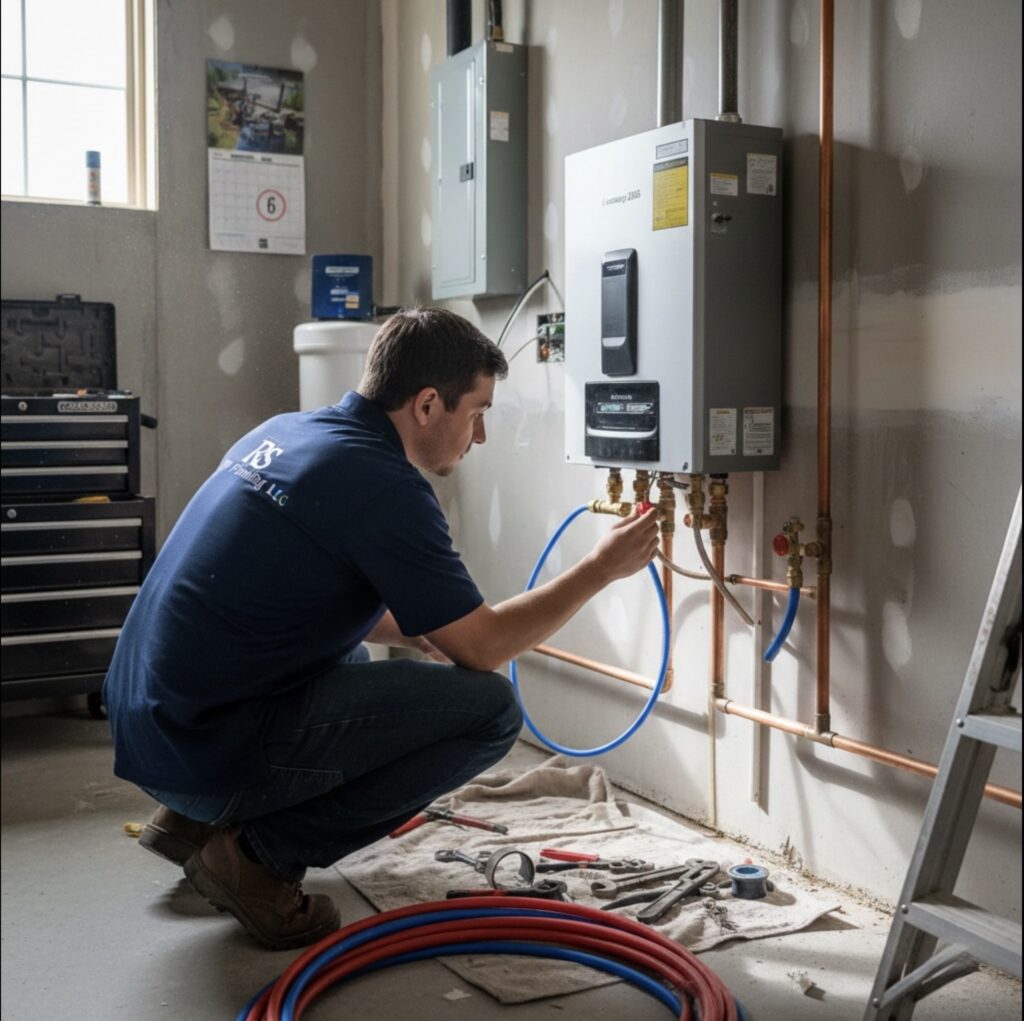
Tankless water heater installation requires specialized knowledge, proper tools, and adherence to safety codes. Attempting DIY installation or hiring unlicensed contractors creates significant risks.
Improper sizing leaves you with insufficient hot water or wasted equipment capacity. Professional installers perform load calculations specific to your home’s needs and local groundwater temperatures.
Gas line errors create serious safety hazards including gas leaks, fire risk, and carbon monoxide exposure. Licensed plumbers understand gas piping requirements and pressure testing procedures that protect your household.
Venting mistakes allow combustion gases to enter living spaces or cause premature equipment failure. Proper vent sizing, slope, termination location, and clearances require technical expertise.
Electrical errors can damage equipment, create fire hazards, or void manufacturer warranties. Code-compliant electrical work ensures safe operation and protects your investment.
Warranty protection depends on professional installation. Manufacturers typically require licensed professional installation for warranty coverage. DIY or unlicensed installation voids these protections.
Code compliance and permits prevent future problems when selling your home or during insurance claims. Unpermitted work creates legal and financial complications that far exceed installation savings.
RS Plumbing LLC: Your Local Tankless Water Heater Installation Experts
RS Plumbing LLC brings extensive experience to every tankless water heater installation in Prince George’s County, MD. We serve homeowners throughout Bowie, Laurel, College Park, Fort Washington, Upper Marlboro, and surrounding communities.
Our licensed plumbers stay current with evolving technology, manufacturer specifications, and local code requirements. We assess your home’s specific conditions and recommend systems that match your household’s hot water demands.
We handle every aspect of installation including permit applications, infrastructure upgrades, and final inspections. Our work meets Maryland plumbing code and manufacturer installation standards.
Transparent pricing means no surprise charges. We provide detailed estimates covering equipment, labor, and any necessary upgrades before starting work.
We stand behind our installations with comprehensive warranties on labor and equipment. When you choose RS Plumbing LLC, you’re partnering with a local company committed to quality workmanship and customer satisfaction.
Making the Switch to Endless Hot Water
Upgrading to a tankless water heater represents a significant improvement in home comfort and efficiency. Whether you’re replacing a failing tank heater or proactively upgrading to energy-efficient water heating, professional installation ensures optimal performance.
RS Plumbing LLC serves Prince George’s County with expert tankless water heater installation, helping homeowners enjoy endless hot water, lower energy bills, and peace of mind knowing their system was installed correctly.
Contact RS Plumbing LLC today to discuss your hot water needs and learn how a professionally installed tankless water heater can benefit your home.
Tankless Water Heater Installation FAQs
Frequently Asked Questions About Tankless Water Heater Installation
Question: How much does tankless water heater installation cost?
Answer: Tankless water heater installation typically costs between $2,500 and $6,500, depending on the unit type and required upgrades. Gas models generally cost more to install than electric units due to venting and gas line requirements. Additional costs may include electrical panel upgrades, new gas piping, or venting modifications. While the upfront investment is higher than traditional tank heaters, most homeowners recover costs through energy savings within 6 to 10 years.
Question: Is a tankless water heater worth it?
Answer: Yes, tankless water heaters are worth the investment for most homeowners. They reduce energy costs by 24 to 34 percent, last twice as long as tank heaters, and provide endless hot water. You’ll save valuable space and eliminate the risk of catastrophic tank failures that cause water damage. The higher installation cost is offset by lower utility bills, longer lifespan, and increased home value. Families with high hot water demand see the greatest benefits.
Question: Do tankless water heaters really never run out of hot water?
Answer: Tankless water heaters provide continuous hot water as long as demand doesn’t exceed the unit’s flow rate capacity. A properly sized system can handle multiple showers and appliances simultaneously without running out. However, if you use more hot water than the unit’s gallon-per-minute rating, you’ll experience reduced flow or temperature. Professional sizing ensures your tankless water heater meets your household’s peak demand without limitations.
Question: What’s better: gas or electric tankless water heater?
Answer: Gas tankless water heaters work better for whole-home applications and larger households because they deliver higher flow rates (5-7 gallons per minute). Electric tankless models suit smaller homes, point-of-use applications, or locations without gas access. Gas units cost more to install but typically have lower operating costs. Electric models install more easily but require significant electrical capacity and often have higher utility costs. Your home’s infrastructure and hot water needs determine the best choice.
Question: Can my house handle a tankless water heater?
Answer: Most homes can accommodate a tankless water heater, but some require infrastructure upgrades. Gas installations may need larger gas lines, proper venting, and combustion air supply. Electric whole-home systems often require 150-amp or 200-amp electrical service with dedicated circuits. Older homes frequently need electrical panel or gas line upgrades. A licensed plumber can assess your home’s existing systems and identify any necessary modifications during the estimate process.
Question: Why is tankless water heater installation so expensive?
Answer: Tankless water heater installation costs more because it requires specialized equipment, technical expertise, and often infrastructure modifications. Unlike simple tank replacements, tankless installations involve precise sizing calculations, potential gas line or electrical upgrades, new venting systems, and code-compliant modifications. Licensed professionals must obtain permits, ensure proper combustion air, install safety devices, and arrange inspections. The complexity and safety requirements justify the investment, which protects your home and ensures optimal performance.
Question: How long does tankless water heater installation take?
Answer: Professional tankless water heater installation typically takes 4 to 10 hours for straightforward replacements. Installations requiring gas line upgrades, electrical panel modifications, or new venting systems may take 1 to 3 days. The timeline depends on your home’s existing infrastructure, accessibility, permit requirements, and inspection scheduling. Your installer will provide a specific timeframe after assessing your property and identifying necessary upgrades.
Question: What maintenance does a tankless water heater need?
Answer: Tankless water heaters require annual descaling to remove mineral buildup from the heat exchanger. This involves flushing the system with a descaling solution for 30 to 45 minutes. You should also clean the inlet filter screen every few months and check venting annually for gas models. Regular maintenance extends equipment life, maintains efficiency, and prevents breakdowns. Many homeowners schedule professional maintenance annually to ensure optimal performance and protect their warranty.
Question: What are the main disadvantages of tankless water heaters?
Answer: The primary disadvantage is higher upfront cost compared to traditional tank heaters. Tankless units may require expensive infrastructure upgrades including electrical panel replacements or gas line modifications. They deliver limited flow rates, so simultaneous high-demand usage can reduce temperature or pressure. Hard water areas require more frequent maintenance. Cold climate groundwater temperatures reduce efficiency and may require larger units. Despite these drawbacks, the long-term energy savings and performance benefits outweigh initial limitations for most homeowners.
Question: Do I need a permit for tankless water heater installation?
Answer: Yes, most jurisdictions require permits for tankless water heater installation. Permits ensure installations meet local building codes, safety standards, and manufacturer specifications. The permit process includes plan review and final inspection by code enforcement officials. Professional installers handle permit applications, ensure code compliance, and coordinate required inspections. Installing without permits can void warranties, create insurance complications, and cause problems during home sales. Never skip the permitting process to save money.
Question: Can I install a tankless water heater myself?
Answer: DIY tankless water heater installation is not recommended and often violates local codes. Installation requires specialized knowledge of gas piping, combustion safety, venting requirements, electrical systems, and plumbing codes. Mistakes create serious safety hazards including gas leaks, carbon monoxide exposure, fire risk, and equipment damage. Most manufacturers void warranties without professional installation. Licensed plumbers have the training, tools, and insurance to install systems safely and correctly. The risks of DIY installation far outweigh any potential savings.
Question: How long do tankless water heaters last?
Answer: Quality tankless water heaters typically last 20 to 25 years with proper maintenance, roughly twice as long as traditional tank heaters. Gas models with stainless steel heat exchangers offer the longest lifespan. Regular annual descaling and filter cleaning help units reach their full life expectancy. Some manufacturers offer warranties up to 15 years on heat exchangers. While tankless units cost more initially, the extended lifespan provides better long-term value and fewer replacement cycles.
Question: Will a tankless water heater increase my home value?
Answer: Tankless water heaters can increase home value by appealing to energy-conscious buyers and demonstrating upgraded infrastructure. Modern, efficient systems are attractive selling points that differentiate your property. Energy savings documentation and lower utility bills appeal to prospective buyers. However, the increase in home value may not fully recover installation costs. The primary value comes from improved comfort, lower operating costs, and reliability rather than direct resale return. Professional installation and proper permitting protect the investment.
Question: How do I know what size tankless water heater I need?
Answer: Tankless water heater sizing depends on your home’s peak hot water demand and incoming groundwater temperature. Calculate how many fixtures might run simultaneously (showers, dishwasher, washing machine) and add their flow rates. In colder climates, you need higher capacity because groundwater requires more heating. Most whole-home systems range from 140,000 to 199,000 BTU for gas or 18 to 36 kilowatts for electric. Licensed plumbers perform load calculations based on your specific usage patterns, fixture count, and local conditions.
Question: What’s the difference between tankless and traditional water heaters?
Answer: Traditional tank heaters store and continuously heat 40 to 80 gallons of water, even when not in use. Tankless water heaters heat water on-demand only when you turn on a tap. Tank heaters eventually run out during heavy usage and waste energy maintaining standby temperature. Tankless systems provide endless hot water, use 24 to 34 percent less energy, save floor space, and last longer. Tank heaters cost less initially but have higher operating costs and shorter lifespans. The best choice depends on your budget, space, and hot water needs.