Clogged Toilet Repair in Davidsonville, MD & Surrounding Areas
Professional Clogged Toilet Repair Services in Anne Arundel County and Prince George’s County, MD
A clogged toilet is one of the most common and frustrating plumbing emergencies homeowners face. When your toilet won’t flush properly or backs up unexpectedly, it disrupts your daily routine and can quickly escalate into a serious problem. RS Plumber LLC provides fast, reliable clogged toilet repair services throughout Anne Arundel County, MD and Prince George’s County, MD, helping residential and commercial properties restore normal function to their bathroom plumbing systems.
Understanding why toilets clog and recognizing the warning signs early can save you from costly water damage and unsanitary conditions. Professional toilet clog removal isn’t just about convenience—it’s about protecting your home’s plumbing infrastructure and maintaining a healthy living environment for your family.
Why Toilets Get Clogged in Maryland Homes
Clogged toilets happen for many reasons, and homes throughout Anne Arundel County and Prince George’s County experience unique challenges that contribute to frequent blockages. Older residential plumbing systems, which are common in established Maryland neighborhoods, often feature narrower drain pipes that are more susceptible to clogs. These aging pipes may have accumulated mineral deposits over decades, reducing the interior diameter and making it easier for obstructions to form.
Excessive toilet paper use is the most frequent culprit behind toilet clogs. When too much paper enters the drain at once, it doesn’t break down quickly enough and creates a blockage in the trap or drainpipe. Homeowners sometimes don’t realize that certain brands of toilet paper are thicker and slower to dissolve, increasing the likelihood of a clog.
Foreign objects accidentally or intentionally flushed down toilets cause serious blockages that require professional plumbing repair services. Children’s toys, hygiene products, cotton swabs, dental floss, and even so-called “flushable” wipes can create stubborn clogs. Despite marketing claims, many flushable wipes don’t disintegrate like toilet paper and instead accumulate in pipes, leading to major backups.
Hard water is particularly prevalent in parts of Anne Arundel County and Prince George’s County. Over time, mineral buildup from hard water narrows pipes and creates rough surfaces where waste can catch and accumulate. This gradual buildup makes toilets more prone to clogging and reduces overall drainage efficiency throughout your bathroom plumbing system.
Tree root intrusion into sewer lines is another common issue in Maryland’s residential areas. Mature trees searching for water sources can infiltrate underground pipes through tiny cracks, creating blockages that affect toilet flushing and drainage. This problem often requires specialized toilet repair techniques and sometimes broader plumbing system repairs.
Warning Signs Your Toilet Needs Professional Repair
Recognizing the early warning signs of a developing toilet clog can prevent a minor inconvenience from becoming an emergency toilet repair situation. A toilet that drains slowly after flushing is often the first indication that a partial blockage is forming. You might notice the water level rises higher than normal before gradually draining down, or that you need to flush multiple times to clear the bowl completely.
Gurgling sounds coming from your toilet or other nearby drains suggest air is trapped in your plumbing system due to a blockage. These noises indicate that water cannot flow freely through the pipes and that a clog may be building somewhere in the drain line. If you hear gurgling when using sinks or showers near the affected toilet, the blockage may be further down the main drain line.
Water backing up into your toilet bowl when you’re not using it is a serious red flag. This often happens when other plumbing fixtures are in use—you might see toilet water rise when someone showers or runs the washing machine. This symptom indicates a significant blockage in your home’s main drain line and requires immediate attention from a professional plumber.
Persistent foul odors coming from your toilet even after cleaning suggest trapped waste material in the pipes. When toilets don’t flush completely or drain slowly, waste can accumulate and decompose in the plumbing system, creating unpleasant smells that permeate your bathroom. This isn’t just unpleasant—it can indicate a health hazard that needs professional toilet clog removal.
Visible water pooling around the base of your toilet may indicate the fixture is overflowing from a clog or that the wax seal has failed. Either situation requires prompt professional evaluation to prevent water damage to your bathroom floor and the structural elements beneath.
The Risks of Delaying Toilet Repair
Ignoring a clogged toilet or attempting to live with a partially functioning fixture creates multiple risks for Anne Arundel County and Prince George’s County homeowners. The most immediate concern is sanitary—a toilet that won’t flush properly exposes your household to bacteria and pathogens that can cause illness. Standing water in toilet bowls becomes a breeding ground for harmful microorganisms.
Water damage is a serious financial risk when toilet clogs go unaddressed. A toilet that overflows can release gallons of contaminated water onto bathroom floors, seeping into subflooring, wall cavities, and even ceiling spaces in multi-story homes. The resulting damage often requires extensive remediation, including mold removal, structural repairs, and replacement of damaged materials. These repairs typically cost far more than professional toilet repair services would have cost initially.
Persistent clogs can damage your home’s entire plumbing system. When a toilet remains clogged, pressure builds up in the drain lines, potentially causing pipe cracks, joint failures, or even complete pipe bursts. Older plumbing systems common in Maryland homes are particularly vulnerable to this type of pressure damage.
Multiple fixture backups can occur when a single toilet clog extends into the main drain line. You might start experiencing problems with sinks, bathtubs, and other toilets throughout your home. What began as one clogged toilet can quickly become a whole-house plumbing emergency requiring extensive residential plumbing services.
Emergency plumbing situations often develop from neglected toilet clogs. A partially clogged toilet can fail completely at the worst possible time—during a family gathering, late at night, or on a holiday when emergency toilet repair services cost significantly more. Addressing toilet problems promptly during normal business hours is both more convenient and more economical.
Professional Toilet Clog Removal Methods
Professional plumbers use several proven methods for toilet clog removal, selecting the appropriate technique based on the severity and location of the blockage. At RS Plumber LLC, our experienced technicians assess each situation carefully to determine the most effective solution for your specific problem.
Plunging is the first line of defense for many toilet clogs, but professional plumbers use commercial-grade plungers and proper techniques that deliver better results than typical household attempts. The right plunger creates a strong seal and generates sufficient force to dislodge blockages without damaging the toilet’s internal components.
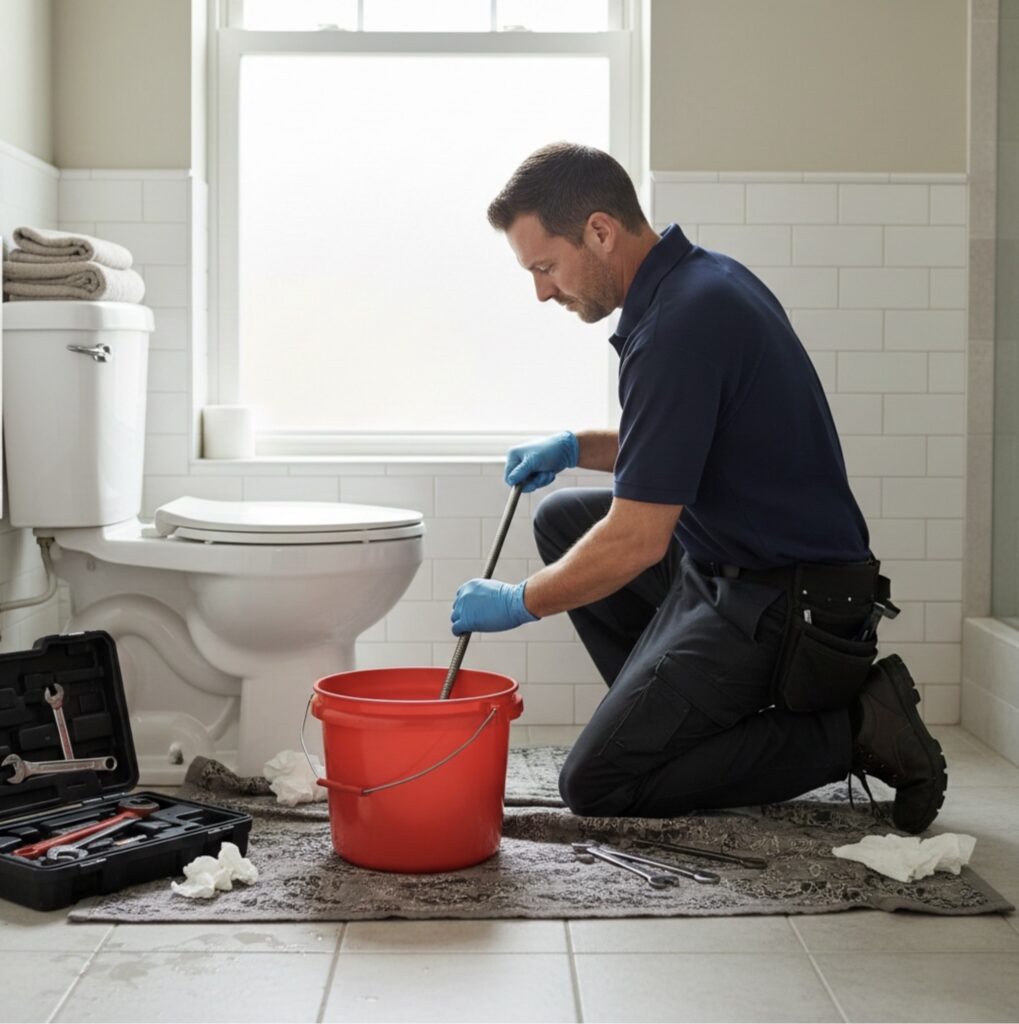
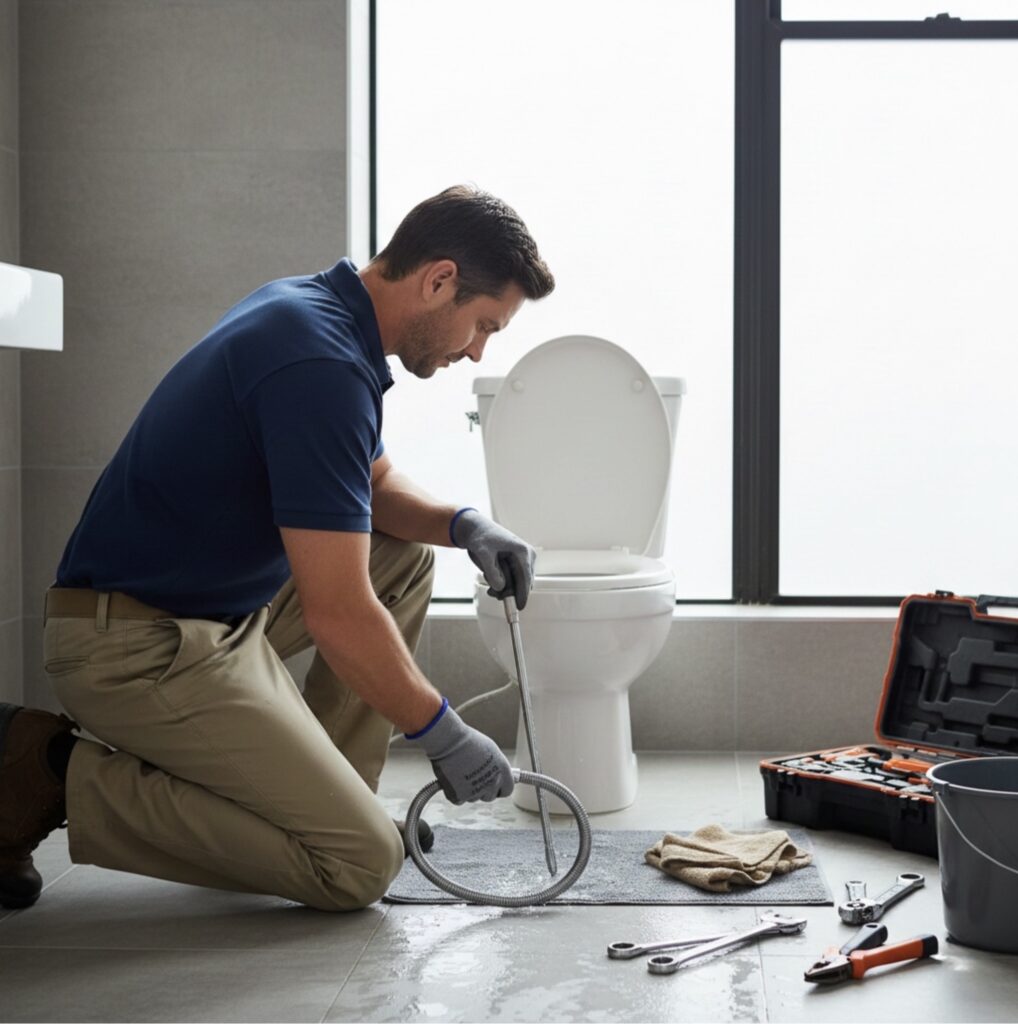
Toilet augers, also called closet augers, are specialized tools designed specifically for toilet clogs. These flexible cables can navigate the curved trap inside your toilet and extend several feet into the drainpipe to break up or retrieve blockages. Professional plumbers know how to operate these tools without scratching porcelain or damaging the toilet’s wax seal.
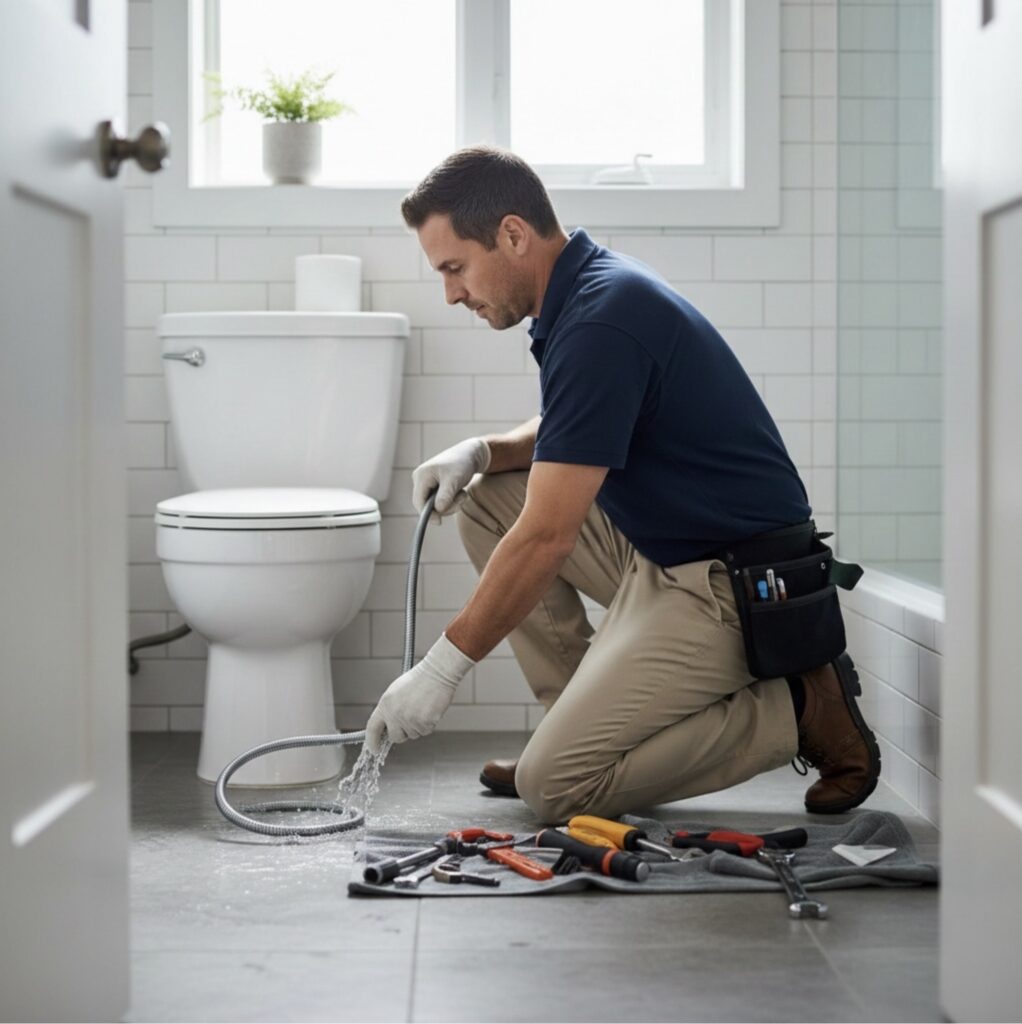
Hydro-jetting is an advanced technique for stubborn clogs and severe buildup in drain lines. This method uses high-pressure water streams to blast away blockages, mineral deposits, and accumulated debris from pipe walls. Hydro-jetting not only clears current clogs but also helps prevent future toilet problems by thoroughly cleaning the entire drain line.
Video camera inspection allows professional plumbers to see exactly what’s causing toilet drainage problems. By inserting a small waterproof camera into the drain line, technicians can identify the nature and location of blockages, assess pipe condition, and detect issues like tree root intrusion or collapsed pipes. This diagnostic capability ensures the right repair approach is used the first time.
In cases where toilet clogs result from damaged or deteriorating plumbing components, professional bathroom plumbing repair may include replacing wax seals, flanges, or sections of damaged drainpipe. Experienced plumbers can identify when a clog is actually a symptom of a larger plumbing system problem that requires comprehensive repair.
Why Professional Plumbing Service Matters
Attempting DIY toilet clog removal can sometimes resolve simple blockages, but it also carries risks that homeowners should understand. Improper use of plungers or augers can scratch porcelain, damage internal toilet mechanisms, or even crack the fixture itself. Chemical drain cleaners, while tempting, often cause more harm than good—they can corrode pipes, damage septic systems, and create hazardous fumes without actually solving the underlying problem.
Professional plumbers bring diagnostic expertise that goes beyond simply clearing a visible clog. When you call RS Plumber LLC for toilet repair services in Anne Arundel County or Prince George’s County, you’re getting a thorough assessment of why the clog occurred and whether underlying issues need attention. This comprehensive approach prevents recurring problems and saves money in the long run.
Licensed plumbers carry the proper tools and equipment to handle any toilet clog situation safely and efficiently. Commercial-grade augers, professional-strength hydro-jetting equipment, and specialized diagnostic cameras aren’t typically available to homeowners. More importantly, professional plumbers know how to use these tools effectively without causing damage to your plumbing system.
Time is valuable, and plumbing emergencies are stressful. A professional plumber can typically resolve toilet clogs in a fraction of the time it would take most homeowners to troubleshoot and attempt repairs themselves. Fast, reliable service means less disruption to your household routine and fewer chances for the problem to worsen.
Professional plumbing repair services also provide peace of mind through guaranteed workmanship. When RS Plumber LLC repairs your clogged toilet, you can trust that the work is done correctly and that we stand behind our service. If problems recur shortly after our visit, we’ll return to make it right—a level of accountability you simply don’t get with DIY approaches.
Serving Anne Arundel County and Prince George’s County Communities
RS Plumber LLC understands the specific plumbing challenges facing homeowners throughout Anne Arundel County, MD and Prince George’s County, MD. Our local expertise means we’re familiar with the residential plumbing systems common in your neighborhood, whether you live in an historic home with decades-old pipes or a newer development with modern plumbing infrastructure.
Maryland homes experience seasonal challenges that can contribute to toilet clogs and plumbing problems. High water usage during summer months when families are home more often, increased strain on plumbing systems during holiday gatherings, and the effects of freezing temperatures on pipes all create conditions where toilet problems are more likely to occur. Having a trusted local plumber who understands these regional patterns provides valuable peace of mind.
Response time matters when you’re dealing with a clogged toilet that won’t flush or is threatening to overflow. As a local plumbing company serving Anne Arundel County and Prince George’s County, RS Plumber LLC can respond quickly to your emergency toilet repair needs. We understand the urgency of plumbing problems and prioritize helping our neighbors restore comfort and functionality to their homes.
Building relationships with local homeowners is central to how we operate. We’re not a national franchise—we’re your neighbors, invested in our communities and committed to providing the honest, reliable residential plumbing services Maryland homeowners deserve. When you call us for toilet clog removal or any bathroom plumbing repair, you’re supporting a local business that genuinely cares about the quality of our work and your satisfaction.
Preventing Future Toilet Clogs
While professional toilet repair services can resolve current problems, preventing future clogs saves you time, money, and frustration. Simple habits make a significant difference in how often you’ll need toilet clog removal services.
Only flush toilet paper and human waste—nothing else belongs in your toilet. Even products marketed as flushable can cause problems in residential plumbing systems. Keep a small trash can in the bathroom for disposing of hygiene products, cotton swabs, dental floss, and other items that should never enter your drains.
Use reasonable amounts of toilet paper and consider flushing twice when necessary rather than attempting to flush large quantities at once. This small habit adjustment can significantly reduce the frequency of toilet clogs in your home.
Regular professional plumbing inspections can identify developing problems before they become emergencies. Annual or bi-annual plumbing system checkups allow professional plumbers to spot mineral buildup, early root intrusion, or deteriorating pipes while repairs are still simple and affordable.
If you have older plumbing common in many Anne Arundel County and Prince George’s County homes, consider asking your plumber about preventive maintenance options. Periodic drain cleaning and system evaluations can extend the life of your plumbing infrastructure and reduce the likelihood of unexpected toilet problems.
Educate everyone in your household, especially children, about what can and cannot be flushed. Many toilet clogs occur because someone didn’t understand that a particular item would cause a blockage. A few minutes of education can prevent costly plumbing repair services down the line.
When toilet problems do occur—and eventually they will in any home—don’t hesitate to contact professional plumbing services. Early intervention almost always costs less and causes less disruption than waiting until a minor clog becomes a major emergency. RS Plumber LLC is here to provide the expert clogged toilet repair Anne Arundel County and Prince George’s County homeowners can rely on, delivered with the professionalism and courtesy you deserve.
Clogged Toilet Repair FAQs
Question: Why does my toilet keep clogging?
Answer: A toilet that clogs repeatedly usually indicates an underlying problem beyond normal use. The most common cause is partial blockage in the drain line or trap where waste and paper accumulate over time. Older low-flow toilets (first-generation models from the 1990s) often lack the flushing power needed to clear the trap completely.
Other frequent causes include flushing non-flushable items like wipes (even those labeled “flushable”), feminine hygiene products, or excessive toilet paper. Tree roots infiltrating sewer lines, a clogged vent stack, or problems with the main sewer line can also cause recurring toilet clogs throughout your home.
If you’re plunging the same toilet more than once a month, the issue needs professional diagnosis. A licensed plumber can camera-inspect your drain lines to identify blockages, damaged pipes, or venting problems that DIY methods won’t resolve.
Question: Can I fix a clogged toilet myself?
Answer: Most simple toilet clogs can be cleared with a toilet plunger using proper technique. Use a flange plunger (the kind with an extended rubber flap) and create a tight seal over the drain opening. Push down gently first to expel air, then plunge vigorously with 15-20 forceful strokes.
For stubborn clogs, a toilet auger (closet auger) works better than a plunger. This specialized tool has a protective sleeve that prevents scratching the porcelain and a crank handle to navigate the trap. Feed the cable into the drain, crank clockwise when you hit resistance, then pull back to break up or retrieve the blockage.
DIY methods work well for isolated clogs caused by too much paper or waste. However, if the toilet won’t flush properly after multiple attempts, water backs up into other fixtures, or you notice gurgling sounds from nearby drains, stop and call a professional plumber. Continued plunging can sometimes worsen underlying issues or cause an overflow.
Question: What should I do if my toilet is overflowing?
Answer: Turn off the water supply immediately. Locate the shut-off valve on the wall behind the toilet (usually on the left side near the floor) and turn it clockwise until it stops. If you cannot access the valve or it’s stuck, remove the toilet tank lid and lift the float ball or float cup to stop water from entering the bowl.
Do not continue flushing an overflowing toilet. Each flush adds more water and increases the risk of sewage backup flooding your bathroom floor. Once the water stops flowing, use towels or a wet vacuum to clean up standing water quickly to prevent subfloor damage.
After stopping the overflow, assess whether you can safely attempt to clear the clog with a plunger. If the water level is too high, wait 10-15 minutes for it to recede slightly before plunging. For severe overflows or sewage backup, contact an emergency plumber immediately to prevent health hazards and water damage.
Question: Is a clogged toilet considered a plumbing emergency?
Answer: A single clogged toilet in a home with multiple bathrooms is usually not an emergency unless it’s overflowing or backing up sewage. If you can stop the water flow and the household has another working toilet, you can typically wait for regular business hours to call a plumber.
However, certain situations require immediate emergency plumbing service. Call right away if sewage is backing up through the toilet or other drains, if you have only one toilet in the home, if the clog affects multiple fixtures simultaneously, or if you smell sewer gas. These symptoms often indicate a main sewer line blockage rather than an isolated toilet clog.
Overflowing toilets that cannot be stopped, especially on upper floors, also constitute emergencies due to the risk of extensive water damage. Most plumbing companies offer 24/7 emergency service for these urgent situations, though emergency rates typically apply for after-hours calls.
Question: How do I know if the clog is in the toilet or the main sewer line?
Answer: An isolated toilet clog affects only that specific toilet. Water drains normally from sinks, showers, and other fixtures in your home. When you flush the clogged toilet, water may rise in the bowl but doesn’t cause problems elsewhere.
A main sewer line clog creates symptoms throughout your plumbing system. You’ll notice multiple drains backing up when you flush any toilet or run water. Common signs include gurgling sounds from drains when you flush, water backing up into the shower or tub when you use the toilet, or sewage smells coming from multiple drains.
The lowest drains in your home show problems first with main line clogs. If you have a basement floor drain or toilet, watch for backup there when using upstairs fixtures. Main sewer line blockages require professional equipment like sewer cameras and hydro-jetting machines. Attempting DIY repair on a main line clog usually wastes time and can worsen the situation.
Question: When should I use a plunger vs. a toilet auger?
Answer: Start with a plunger for most toilet clogs. A quality flange plunger with a good seal can clear 80-90% of common toilet blockages caused by waste and paper. Plungers work best on soft clogs that can be broken apart and pushed through the drain with pressure and suction.
Reach for a toilet auger when plunging fails after 10-15 attempts or when you suspect a hard object is stuck in the trap. Augers excel at breaking through compacted clogs or retrieving items like toys, combs, or hygiene products that create solid blockages. The auger’s rotating cable can navigate the toilet’s curved trap where plungers cannot reach.
Never use a standard drain snake (the kind for sinks) in a toilet. These can scratch porcelain and lack the proper design for toilet traps. A toilet auger has a protective rubber sleeve specifically designed to prevent damage while working through the toilet’s internal passageways.
Question: What items should never be flushed down a toilet?
Answer: Only human waste and toilet paper should go down your toilet. Toilet paper is specifically designed to break down quickly in water, while other paper products are not. Never flush “flushable” wipes, baby wipes, paper towels, feminine hygiene products, or cotton swabs. Despite marketing claims, wipes do not disintegrate like toilet paper and are a leading cause of clogs in both home plumbing and municipal sewer systems.
Common household items that cause serious blockages include dental floss, hair, cat litter, medication, cotton balls, cigarette butts, and food waste. These materials don’t break down in water and can accumulate in your drain lines or combine with grease to form stubborn clogs. Grease and cooking oil should also never enter your toilet as they solidify in pipes and trap other debris.
Children’s toys, bathroom accessories, and cleaning tool heads accidentally fall into toilets more often than you’d think. If something hard drops in, retrieve it immediately rather than trying to flush it away. Even small objects can lodge in the trap and create a partial blockage that worsens over time.
Question: How much does clogged toilet repair typically cost?
Answer: Simple toilet clogs that a plumber clears in 30-60 minutes with a plunger or auger typically cost between $150-$300 during regular business hours. This straightforward service includes diagnosis, clearing the blockage, and testing to ensure proper drainage.
More complex situations increase costs significantly. If the plumber needs to remove the toilet to access a deep clog, use a sewer camera for inspection, or run a cable 25+ feet into your drain line, expect $300-$600 or more. Main sewer line cleaning with hydro-jetting equipment typically ranges from $500-$1,000 depending on the severity and location of the blockage.
Emergency service after hours, on weekends, or during holidays usually carries a premium of 1.5 to 2 times regular rates. Many plumbing companies offer free estimates or diagnostic fees that apply toward the repair cost. Preventive maintenance like annual drain cleaning costs less than emergency repairs and can help you avoid unexpected clogs entirely.
Question: Why won’t my toilet flush even though it’s not clogged?
Answer: A toilet that won’t flush properly but has no visible clog often has a problem with the flushing mechanism inside the tank. Open the tank lid and check the water level—it should sit about one inch below the overflow tube. If the water level is too low, the flush won’t have enough volume to clear the bowl. Adjust the float ball or float cup to increase the water level.
The flapper valve at the bottom of the tank might be closing too quickly or not opening fully. This rubber seal should lift completely when you press the flush handle and stay open until most of the tank water drains into the bowl. A worn or misaligned flapper causes weak, incomplete flushes that leave waste in the bowl.
Mineral deposits can clog the rim jets (small holes under the toilet bowl rim) or the siphon jet (larger opening at the bottom of the bowl). These openings direct water flow to create the flushing action. Use a wire hanger or small brush to clear any buildup blocking these jets. In areas with hard water, this maintenance may be needed annually to maintain proper flush performance.
Question: Can a clogged toilet damage my plumbing system?
Answer: Ignoring a clogged toilet can lead to significant plumbing damage over time. Repeated backups put pressure on drain seals and pipe joints, potentially causing leaks inside walls or under floors. Standing water in a backed-up toilet can also overflow and damage bathroom flooring, ceiling below, and surrounding structures.
Chronic clogs often indicate partial blockages that allow some drainage but create pressure buildup in your pipes. This pressure can crack older cast iron or clay sewer pipes, especially at connection points. Tree roots exploit these weak spots and infiltrate the line, turning a minor problem into a major sewer line replacement project.
Using chemical drain cleaners repeatedly on toilet clogs is particularly damaging. These harsh products generate heat that can crack porcelain toilets and corrode older metal pipes. The chemicals often can’t reach blockages deep in the drain and instead sit in your toilet trap, creating a caustic hazard. Professional mechanical clearing methods are safer and more effective for your plumbing system’s long-term health.
Question: What causes a toilet to clog with nothing in it?
Answer: A toilet that clogs “spontaneously” with no obvious reason usually has a partial blockage creating a narrowed passage. Over days or weeks, normal waste and paper accumulate at the restriction point until flow stops completely. The final flush appears to cause the clog, but buildup has been happening gradually.
Vent stack problems also cause this issue. Your toilet needs air from the plumbing vent to drain properly. If leaves, bird nests, or ice block the vent opening on your roof, the toilet cannot flush effectively even without excessive waste. You may hear gurgling or notice slow drainage before the toilet clogs completely.
Hard water mineral deposits slowly narrow drain pipes in the same way cholesterol narrows arteries. In homes with very hard water, calcium and lime scale build up on pipe walls over years, reducing the effective diameter of your drain line. This happens so gradually that toilets begin struggling with normal loads. A professional plumber can descale pipes or recommend solutions for hard water areas.
Question: Should I call a plumber or try chemical drain cleaners first?
Answer: Avoid chemical drain cleaners for toilet clogs. These products are designed for sink drains and can damage toilet components, crack porcelain, and create dangerous conditions if mixed with standing water. Chemical cleaners also pose health risks when they splash during plunging and produce toxic fumes in enclosed bathroom spaces.
The standing water in a clogged toilet dilutes chemical drain cleaners, making them largely ineffective anyway. The product cannot reach the clog with sufficient concentration to dissolve it. You’ve now created a bowl full of caustic water that makes professional repair more difficult and hazardous for the plumber.
For best results and safety, try a plunger or toilet auger first. These mechanical methods work immediately without chemical hazards or waiting time. If you cannot clear the clog after 15-20 minutes of proper technique with both tools, call a licensed plumber. Professional equipment like power augers and hydro-jetters clear stubborn clogs quickly without the risks associated with chemical products.
Question: How can I prevent toilet clogs in the future?
Answer: Use less toilet paper per flush, especially with older toilets that have less powerful flush systems. If you need more paper, flush midway through rather than waiting until you’re finished. This simple habit prevents overloading your toilet’s drain capacity.
Install a small wastebasket in every bathroom and teach household members to trash everything except waste and toilet paper. Remind guests where the trash is located. Many clogs happen when visitors unfamiliar with your plumbing system flush items that your older pipes cannot handle.
Schedule annual drain maintenance with a professional plumber, especially if you have older plumbing, mature trees near your sewer line, or a history of slow drains. Preventive camera inspection and cleaning costs far less than emergency repairs. For homes with recurring clog issues, consider upgrading to a modern high-efficiency toilet designed with better flushing technology that prevents most common blockages.
Question: What does it mean when my toilet gurgles but isn’t clogged?
Answer: Gurgling sounds from your toilet indicate a venting problem in your plumbing system. When water drains through pipes, air must replace the water to prevent a vacuum. If the vent stack is blocked or improperly designed, the toilet pulls air through its trap, creating that distinctive gurgling noise.
This symptom often precedes an actual clog. The same venting issue that causes gurgling also slows drainage and makes clogs more likely. Check other fixtures in your home—if multiple drains gurgle or drain slowly, you have a systemic venting or main line issue rather than an isolated toilet problem.
Gurgling accompanied by sewer odors suggests a more serious concern. The toilet’s P-trap might be losing its water seal due to the venting problem, allowing sewer gases into your home. These gases contain methane and hydrogen sulfide that are both unpleasant and potentially hazardous. Contact a licensed plumber to diagnose vent stack blockages or main line problems before a complete backup occurs.
Question: When should I replace my toilet instead of repairing clogs?
Answer: Replace your toilet if it requires frequent repairs, clogs constantly despite professional cleaning, or is an early low-flow model from the 1990s. First-generation low-flow toilets often lack the engineering needed for reliable performance and waste more water through multiple flushes than they save.
Visible cracks in the porcelain, even small hairline cracks, mean replacement is necessary. Cracks will worsen and eventually leak, causing floor damage. If the toilet rocks or shifts when you sit on it, the flange may be broken or the floor may be rotted from past leaks. These situations require toilet removal and often subfloor repair before installing a new unit.
Modern WaterSense-labeled toilets use advanced flush technology that prevents most common clogs while using less water per flush than older models. If your current toilet is over 20 years old and causing problems, replacement often provides better long-term value than ongoing repairs. A plumber can assess whether your chronic clog issues stem from the toilet itself or your drain lines during a service call.