BEST EMERGENCY PLUMBER in Cape St Claire, MD - Available 24/7
RS Plumbing LLC | Cape St. Claire, MD
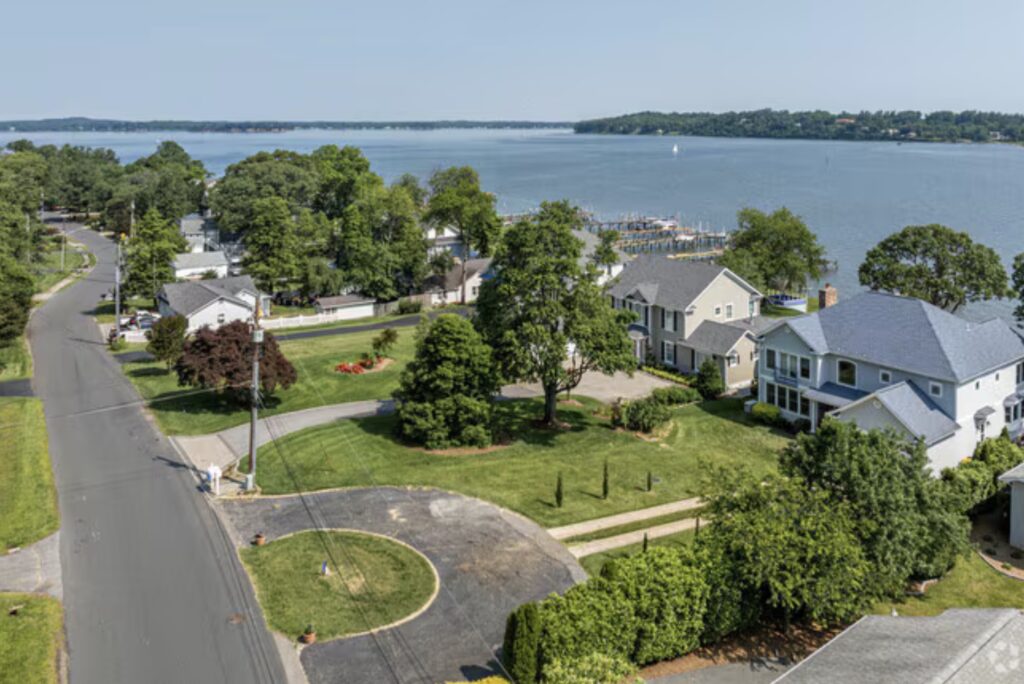
Cape St. Claire sits on the northern end of the Broadneck Peninsula in a way that tends to concentrate every challenge a residential plumber is likely to encounter. The neighborhood is a mix of mid-century ranches and split-levels built in the 1950s and ’60s, newer construction tucked along the coves, and waterfront properties that take the full brunt of Chesapeake Bay humidity year-round. RS Plumbing LLC has been doing service calls out here for years, and the work rarely surprises us anymore — but it never quite repeats itself either.
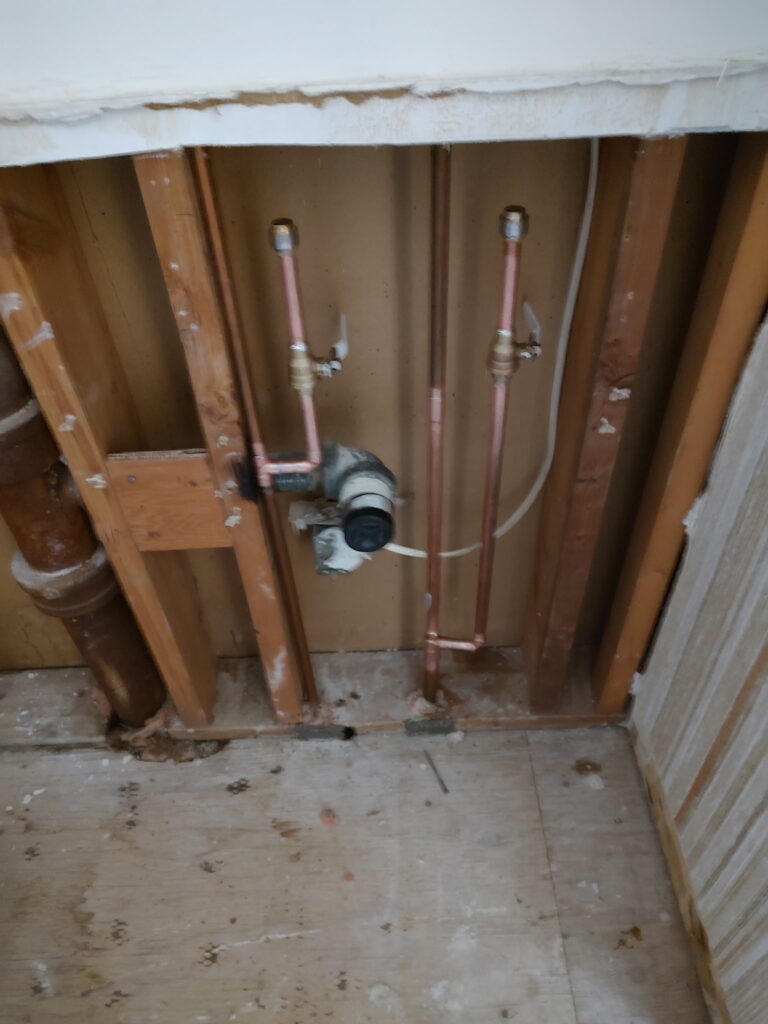
A lot of what we find in Cape St. Claire’s older homes comes down to original plumbing that simply hasn’t been touched since installation. A homeowner off Green Holly Drive called us last spring after noticing a rust-colored stain bleeding down the inside of her cabinet below the kitchen sink. What looked like a slow supply line drip turned out to be something more involved: the copper stub-outs behind the wall had developed pinhole corrosion, likely accelerated by the moisture that builds up in crawl spaces this close to the water. We opened the wall, replaced a three-foot section of original copper with Type L, and found a secondary issue while we were in there — a corroded shutoff valve that would have failed within another season or two. That kind of layered diagnosis is common in homes along the older streets in this neighborhood.
Down toward the River Bay Road corridor, we’ve responded to a handful of calls involving tree root intrusion into lateral sewer lines. The mature oaks and sweet gums that line those properties are beautiful, but their root systems are relentless when it comes to finding moisture. One homeowner had been dealing with slow-draining fixtures throughout the house for months before calling us — he’d tried store-bought drain treatments without much result. We ran a camera down the main cleanout and found a significant root mass about 22 feet in, just past where the line transitions beneath the driveway. After mechanical root cutting and a high-pressure water jet flush, the line ran clear. We recommended a follow-up camera inspection in 18 months given the density of the root activity.
Water heater calls are one of our most common service requests across the Broadneck Peninsula, and Cape St. Claire is no exception. The hard water characteristics in this area — a result of the calcium and magnesium content pulling up through local well systems and even in treated municipal supply — creates sediment buildup inside tank-style water heaters that most homeowners don’t realize is happening until they start hearing a low rumbling or popping sound during a heating cycle. We’ve replaced units near the Cape St. Claire Shopping Center area and throughout the residential blocks off College Parkway where homes built in the ’80s are still running original gas units well past their service life. In a number of those cases, a flush and inspection revealed tanks that had already begun to pit internally. Replacement was the right call.
Sump pump failures tend to cluster around heavy rain events, which in Anne Arundel County can come hard and fast, especially in late summer and early fall. We’ve taken emergency calls from homeowners near Broadneck Park after significant storm systems pushed groundwater up fast enough that an aging sump pump couldn’t keep pace — or had simply seized up from infrequent use. In one instance, the float switch had corroded in the off position, meaning the pump was present but completely non-functional. The homeowner had no idea until water was already spreading across the basement floor. We carry replacement units on the truck for exactly that scenario, and we were able to install a new pump with a battery backup system the same afternoon.
Low water pressure is a complaint we hear regularly from residents throughout Cape St. Claire, particularly in homes that have never had their supply lines evaluated. The issue often traces back to galvanized steel pipe — common in homes built before the mid-1970s — that has narrowed internally from decades of mineral accumulation. We’ve done full re-pipes on properties along Deep Creek Avenue where flow had degraded to the point that running the shower and a sink simultaneously was barely workable. Replacing galvanized with copper or PEX throughout the supply system consistently restores pressure and eliminates the orange-tinted water that often accompanies it.
Exterior plumbing takes a beating in coastal communities. Salt-laden air off the Bay accelerates oxidation on hose bibs, outdoor shutoffs, and any exposed copper or brass fittings. We’ve replaced frost-free sill cocks that had corroded completely through at the wall penetration — not from freeze damage, but from the combination of humidity and salt air working on an exterior fitting that was never designed for that kind of sustained exposure. This is something homeowners near the waterfront and beach access areas of Cape St. Claire tend to discover in the spring, when they go to open the outdoor spigot for the first time and find it either seized or actively dripping back through the wall.
One of the more involved jobs we’ve handled in this area was a slab leak beneath a home on a cul-de-sac off the main residential grid. The homeowner noticed his water bill had jumped significantly over two billing cycles without any obvious explanation. No wet spots on the floor, no visible pipe damage. We used a non-invasive pressure test to isolate the hot-side supply line and confirmed a leak beneath the concrete. The repair required a short saw-cut through the slab, careful excavation, and an epoxy-lined repair section before sealing everything back up. Not a fast job, but one that required the kind of diagnostic experience that comes from doing this work across dozens of Anne Arundel County homes over more than two decades.
RS Plumbing LLC has been in the trades for over 23 years, and a significant portion of that time has been spent working in communities like Cape St. Claire where the intersection of older housing stock, coastal environmental conditions, and aging infrastructure creates a steady and varied demand for experienced plumbing work. Whether it’s an emergency call at midnight for a burst pipe during a hard freeze, a backed-up main drain that’s taken a toilet offline, or a water heater that’s simply reached the end of its service life, the situations we encounter here tend to require more than a parts swap — they require a thorough understanding of how these homes were built, what they’ve been through, and what the right long-term fix actually looks like. That’s what we show up with every time we pull into a driveway on the Broadneck Peninsula.
Plumbing Services We Offer in Cape St Clair, MD:
- Emergency 24/7 Plumbing Repair
- Water Heater Installation
- Tankless Water Heater Installation
- Drain Cleaning
- Same-day Plumbing Services
- Water Filtration and Water Softener Installation
- Clogged Toilet Repair
- Clogged Drain Repair
- Clogged Sink Repair
- Leak Detection and Repair
- Burst Pipe Repair
- Water Heater Repair
- Main Sewer Line Cleaning
- Sump Pump Repair & Installation
- Water Line Repair and Replacement
- Sewer Line Repair
- Faucet Repair and Replacement
- Pipe Replacement
- Toilet Replacement
- Hot Water Heater Replacement
- Hydro Jetting Services
- Sewer Camera Inspection
- Gas Line Repair & Installation
- Residential Plumbing Repair
- Commercial Plumbing
Cape St Claire, MD - Plumbing FAQs
Question: Why does my water pressure drop so suddenly in my Cape St. Claire home, especially in the morning or evening?
Answer: Pressure drops that follow a predictable daily pattern are almost always tied to peak demand hours — when everyone in the neighborhood is showering, running dishwashers, and filling up coffee makers at the same time. In Cape St. Claire, though, there’s often a more structural reason behind the problem. Many homes in the area were built in the 1960s and 1970s, and the original galvanized steel supply lines are still in place inside the walls. Galvanized pipe corrodes from the inside out over decades, and that internal rust buildup narrows the pipe’s diameter the way plaque narrows an artery. The result is a slow, progressive pressure decline that homeowners often chalk up to “just how the house is” until a plumber scopes the line and shows them what’s actually going on. Homes closer to the Magothy River waterfront tend to face an accelerated version of this problem because the mineral-heavy water and proximity to brackish air speeds up the corrosion timeline. If your pressure seems fine at the main shutoff but weak at the tap, corroded supply lines are the most likely culprit. RS Plumbing LLC can run a diagnostic pressure test and inspect your supply lines to identify exactly where the restriction is happening.
Question: My basement in Cape St. Claire gets water in it after heavy rain — is that a plumbing problem or a drainage problem?
Answer: It’s usually both, and in this part of Anne Arundel County, that combination is extremely common. Cape St. Claire sits in a low-lying coastal zone close to the Magothy River, which means the water table rises fast during heavy Maryland storms. When that happens, water finds the path of least resistance — and in older homes with aging floor drains, cracked sump pits, or inadequate discharge lines, that path goes straight into your basement. The plumbing side of the problem often involves a sump pump that’s undersized, worn out, or missing a battery backup, so when the power flickers during a thunderstorm (which happens frequently in this area), the pump goes offline right when you need it most. The drainage side involves grading, downspout routing, and window well drainage that may be directing surface runoff toward the foundation rather than away from it. RS Plumbing LLC handles the plumbing components — sump pump inspection, pit integrity, discharge line routing, and floor drain maintenance — and can tell you honestly whether what you’re seeing is a plumbing fix or something that needs a grading or waterproofing contractor to resolve. In a lot of Cape St. Claire basements, a properly sized sump pump with a backup system is the single biggest difference between a dry season and a flooded one.
Question: How do I know if my older Cape St. Claire home still has galvanized pipes, and should I be worried about them?
Answer: If your home was built before 1980 and you’ve never had a full repiping done, there’s a strong chance galvanized steel pipes are still carrying water somewhere inside your walls. The easiest way to check without opening anything up is to look at the exposed pipes in your basement or utility room. Galvanized pipe has a dull, grayish surface and often shows surface rust, white mineral deposits, or a chalky coating where fittings connect. Copper pipe looks orange or brown and has a smooth, uniform finish. If you see a mix of both, it’s common — many Cape St. Claire homes were partially updated over the years, leaving galvanized lines in the harder-to-reach sections. Should you be worried? After about 50 years of service, yes. Galvanized pipe actively deteriorates from the inside, and the corrosion flakes off into your water supply. Homeowners often notice brown or rust-colored water when they first run a faucet after a vacation, reduced flow at fixtures furthest from the main, or mysterious pressure loss that a pressure regulator adjustment doesn’t fix. Beyond the water quality issue, corroded galvanized pipes are a leak waiting to happen — and when they finally fail, they don’t drip, they burst. RS Plumbing LLC has replaced galvanized systems throughout Cape St. Claire and can assess how much of your original infrastructure is still in place and what the realistic timeline looks like before it becomes an emergency.
Question: What’s causing my drains to back up during heavy rain in Cape St. Claire — and is it related to the sewer system?
Answer: Drain backups during rainstorms are one of the most common calls RS Plumbing LLC gets from Cape St. Claire homeowners, and the cause is almost always one of two things: root intrusion in the main sewer line, or a cross-connection between the storm drainage and sanitary sewer systems. During heavy rainfall events, groundwater infiltrates old clay or cast iron sewer lines through cracks, joints, and root penetration points. When that extra water volume overwhelms the capacity of the line, it has nowhere to go but back up into the lowest fixture in the house — usually a basement floor drain, a first-floor toilet, or a utility sink. In Cape St. Claire, many homes were built when clay tile sewer laterals were standard, and those lines are now 50 to 60 years old. Tree roots — especially from the large oaks and maples common in the established neighborhoods here — actively seek out those joints and infiltrate the pipe over time. A camera inspection of your main sewer lateral is the only definitive way to know what you’re dealing with. RS Plumbing LLC uses drain camera equipment to identify root intrusion, pipe collapse, or offset joints before they turn into a full sewage backup in your living space. If you’re noticing slow drains throughout the house — not just one — the problem is almost certainly in the main line, not an individual fixture.
Question: My Cape St. Claire home is on well water — what plumbing problems should I expect that city water homes don’t deal with?
Answer: Well water homes in this part of Anne Arundel County come with a specific set of plumbing challenges that city water customers simply don’t face. The most significant is hardness. The groundwater in the Cape St. Claire and Magothy River corridor tends to carry elevated levels of calcium, magnesium, and iron, and over years of daily use, those minerals deposit inside your water heater tank, along the inner walls of supply lines, and around fixture aerators and valve seats. The result is shortened water heater life — often 8 to 10 years instead of 12 to 15 — along with stubborn staining on fixtures and inconsistent water flow. Beyond hardness, iron bacteria and hydrogen sulfide are common in private wells in this area, and both create odor and discoloration issues that frustrate homeowners who don’t realize the source is the well itself. The pressure tank and well pump are also mechanical components with a finite lifespan, and when they begin to fail, the symptoms look a lot like general low pressure or pressure fluctuation problems — which is why diagnosing well water homes requires a plumber who understands the full system rather than just the fixtures. RS Plumbing LLC works regularly with well water homes throughout the Cape St. Claire area and can assess your pressure tank, expansion tank, and supply line condition alongside any softener or filtration equipment you may have in place.
Question: How often should I have my sump pump serviced if I live in Cape St. Claire, MD?
Answer: Given Cape St. Claire’s geography — low coastal terrain, proximity to the Magothy River, and a water table that responds quickly to Anne Arundel County’s frequent storm events — a sump pump is one of the most critical pieces of mechanical equipment in your home, and it deserves annual attention at minimum. Most homeowners don’t think about their sump pump until it fails during a storm, which is the worst possible time to find out it’s been sitting in standing water for years with a corroded float switch or a clogged discharge line. A proper service call includes testing the float trigger, checking the pump motor for heat and vibration abnormalities, inspecting the check valve on the discharge line, verifying that the discharge terminates well away from the foundation, and testing the backup power source if you have one. Battery backups in particular need to be tested and the batteries replaced every two to three years regardless of whether the pump has run. For homes in the lower-lying streets of Cape St. Claire — especially those closer to the waterfront — a water-powered backup or a dedicated secondary pump in the pit is worth serious consideration. RS Plumbing LLC recommends scheduling sump pump maintenance in early spring before the heavy rain season begins, and again in the fall before freeze season, when ice can block discharge lines and create the same flooding risk as a failed pump.
Question: Why does my water heater in my Cape St. Claire home run out of hot water faster than it used to?
Answer: This is a question RS Plumbing LLC hears frequently from homeowners in Cape St. Claire, and the answer almost always comes down to sediment accumulation. In areas with hard or mineral-heavy water — which describes most of the well water homes and many Anne Arundel County municipal water customers in this corridor — calcium and magnesium settle out of the water and collect at the bottom of the tank over time. That sediment layer insulates the heating element or burner from the water above it, forcing the unit to work harder and longer to reach temperature. The practical result is that you get less usable hot water per cycle because a portion of the tank’s capacity is occupied by sediment rather than water. You may also notice a rumbling, popping, or crackling sound when the heater is running — that’s the burner superheating the sediment layer, and it significantly shortens the life of the unit. In Cape St. Claire homes where the water heater hasn’t been flushed in several years, sediment accumulation can be dramatic enough that a standard tank flush isn’t sufficient — you may be at the point where replacement is the more economical choice. RS Plumbing LLC can inspect your unit, measure the first-hour recovery rating against what the unit should be producing, and advise honestly on whether a flush and tune-up will restore performance or whether the cost is better applied toward a new installation.
Question: I noticed my water bill jumped significantly — could I have a hidden leak somewhere in my Cape St. Claire home?
Answer: A sudden or unexplained increase in your water bill is one of the clearest early warning signs of a hidden leak, and in an older Cape St. Claire home it should be taken seriously. The most common hidden leak locations are the toilet flapper valve — which can silently waste hundreds of gallons per day without any visible overflow — supply line connections under sinks and behind toilets, and the main supply line running between the meter and the house. In waterfront and older established neighborhoods throughout Cape St. Claire, underground supply lines made of older polybutylene, galvanized steel, or even lead-jointed iron can develop pinhole leaks along their length that never surface visibly but run continuously into the soil around the foundation. The meter test is the simplest first step: shut off every fixture and appliance in the home, then watch the meter dial for 15 minutes. If the dial moves at all, water is leaving the system somewhere it shouldn’t be. A more targeted leak detection service uses pressure testing and, in some cases, acoustic listening equipment to locate a break without excavation. RS Plumbing LLC offers leak detection services throughout Cape St. Claire and has found water losses inside walls, beneath concrete slabs, and along buried service lines that homeowners had no idea were occurring. Catching a hidden leak early can prevent not just water waste and higher bills, but also structural damage, mold growth behind walls, and costly emergency repairs down the line.
Question: The pipes in my Cape St. Claire home make a loud banging noise when I turn off the faucet — what’s causing that, and is it dangerous?
Answer: That loud bang is called water hammer, and it happens when fast-moving water is stopped abruptly by a closing valve. The momentum of the water has to go somewhere, and the energy releases as a pressure wave that slams against the pipe walls — which is the sound you’re hearing. In older Cape St. Claire homes where pipes may not be well-secured to framing, that banging is also physically stressing the pipe joints and fittings every time it happens. Over years, water hammer can loosen threaded connections, crack solder joints in copper pipe, and even damage fixture valves. Modern plumbing systems address this with air chambers or water hammer arrestors installed near the problem fixtures, but homes built in the 1960s and 1970s often have neither. The air chambers that were used in older construction lose their air charge over time and become waterlogged, rendering them ineffective. The fix is typically installing modern water hammer arrestors — small devices threaded into the supply line near the shutoff valve — which use a sealed air cushion to absorb the pressure surge. RS Plumbing LLC installs these regularly throughout Cape St. Claire homes and can quickly identify whether your hammer issue is a simple arrestor installation or whether the deeper problem is water pressure running too high throughout the house, which is another common culprit in older neighborhoods where pressure regulation was never retrofitted into the system.
Question: What plumbing issues should I expect when buying or renovating an older home in Cape St. Claire, MD?
Answer: Cape St. Claire has a lot of character — established landscaping, mature trees, close-knit streets near the Magothy River waterfront — and many of the homes reflect that era of construction, with original infrastructure that hasn’t been touched in 40 or 50 years. If you’re buying or renovating in the neighborhood, the plumbing systems deserve a close look before you close or break ground. The most common issues RS Plumbing LLC encounters in these homes include original galvanized supply lines with significant interior corrosion, cast iron or clay tile main sewer laterals with root intrusion or joint separation, water heaters operating well past their useful life, original cast iron drain stacks with cracked hubs, and bathroom fixtures still connected to outdated compression valve bodies that are nearly impossible to find replacement parts for. In homes near the water, the additional factor of high humidity and occasional flooding means that sump systems, floor drains, and crawlspace or basement plumbing take on added importance. The presence of a private well also means the pressure tank, well pump, and any treatment equipment need to be evaluated separately from the household plumbing. RS Plumbing LLC offers pre-purchase and pre-renovation plumbing assessments for Cape St. Claire homeowners and buyers — a service that gives you a realistic picture of what the system is actually doing, what its remaining useful life looks like, and what repairs or replacements should be factored into your budget before you’re committed to the project.