Pipe Replacement in Davidsonville, MD & Surrounding Areas
Professional Pipe Replacement Services in Anne Arundel County & Prince George’s County, MD
A failing plumbing system can cause serious damage to your home. In Maryland, aging infrastructure, seasonal temperature swings, and shifting soil all increase the risk of pipe failure. Many homes in Anne Arundel County and Prince George’s County still rely on outdated piping materials that are prone to corrosion and leaks.
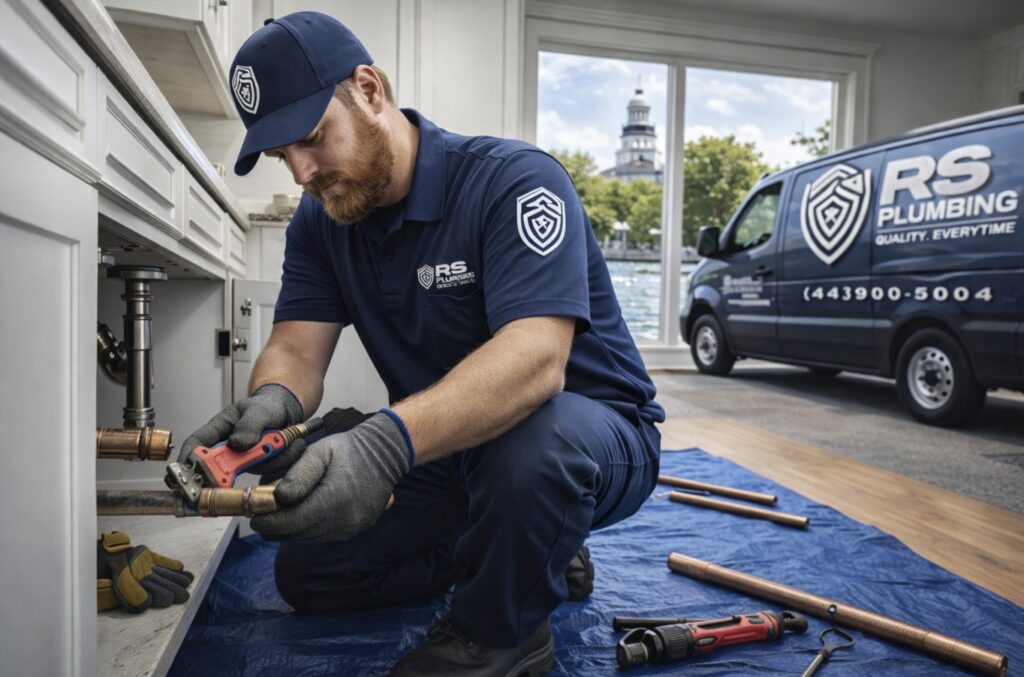
RS Plumbing LLC provides professional pipe replacement services designed to protect your property and restore reliable water flow. Whether you need a small section replaced or a full system upgrade, our licensed and insured plumbers deliver long-lasting solutions. We specialize in safe, efficient, and code-compliant pipe replacement for homeowners and property managers throughout the region.
If you are searching for a trusted plumbing contractor in Anne Arundel County or a plumbing contractor in Prince George’s County, our team is ready to help.
Signs You May Need Pipe Replacement
Pipe problems often begin quietly. Small warning signs can quickly turn into major plumbing failures if ignored.
Low water pressure is one of the most common indicators of deteriorating pipes. Corrosion, mineral buildup, or hidden leaks can restrict flow and signal the need for water pipe replacement.
Discolored or rusty water is another red flag. This is especially common in homes with old galvanized pipe replacement needs. Aging galvanized steel pipes corrode from the inside out, contaminating water and weakening pipe walls.
Frequent leaks or recurring burst pipe repair calls suggest the underlying piping material has reached the end of its lifespan. If you are constantly repairing sections of pipe, a full or partial pipe replacement may be more cost-effective.
Unexplained increases in your water bill can indicate hidden underground pipe repair issues. Moist soil, foundation cracks, or warm spots on floors may point to slab leak repair needs.
Homes built before the 1980s may require copper pipe replacement or PEX repiping to meet modern standards. If your system is outdated, whole home repiping can dramatically improve water quality and reliability.
The Risks of Delaying Pipe Replacement
Delaying necessary pipe replacement can lead to serious structural and financial consequences. Water damage spreads quickly. Even a small leak can cause mold growth, drywall damage, and wood rot.
Main water line replacement issues can leave your home without reliable water service. Sewer pipe replacement delays can create unsanitary conditions and health hazards.
Underground pipe repair problems often worsen over time due to soil movement and pressure changes. What starts as a minor crack can develop into a full pipe collapse.
Burst pipe repair emergencies are common during Maryland’s colder months. Freezing temperatures put stress on already weakened pipes. When a pipe bursts, flooding can occur within minutes.
Older galvanized piping is particularly vulnerable. Corrosion reduces internal diameter and increases pressure, which accelerates failure. Replacing these pipes proactively protects your home and prevents expensive restoration costs.
Taking action early saves money and prevents emergency pipe repair situations.
Our Professional Pipe Replacement Process
At RS Plumbing LLC, we follow a structured and transparent process for every pipe replacement project.
First, we conduct a thorough inspection. We use advanced diagnostic tools to assess pipe condition, locate leaks, and determine whether repair or full replacement is required. This ensures accurate recommendations.
Next, we provide a detailed estimate. We explain your options, including copper pipe replacement, PEX repiping, trenchless pipe replacement, or traditional excavation methods when necessary. You receive clear pricing and scope before work begins.
For main water line replacement or sewer pipe replacement, we follow all local Maryland codes. Our team handles permits when required and ensures proper depth, material selection, and backflow protection.
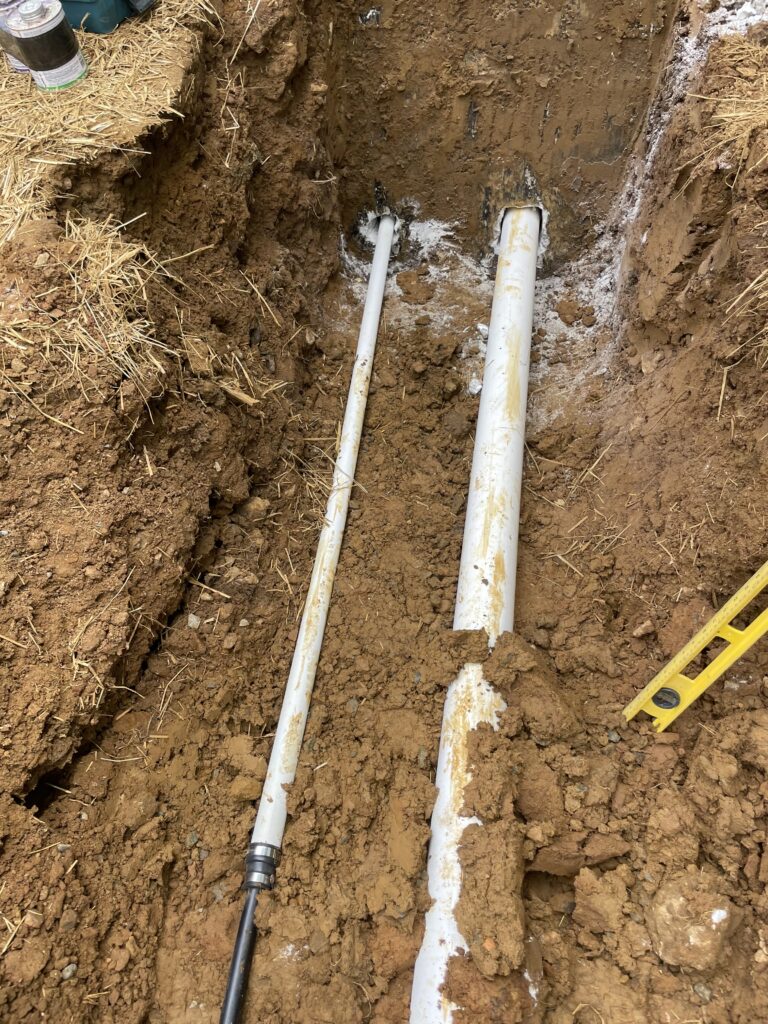
When possible, we offer trenchless pipe replacement solutions. This minimizes yard disruption and reduces restoration costs. For homes with slab leak repair needs, we carefully access affected areas to limit structural impact.
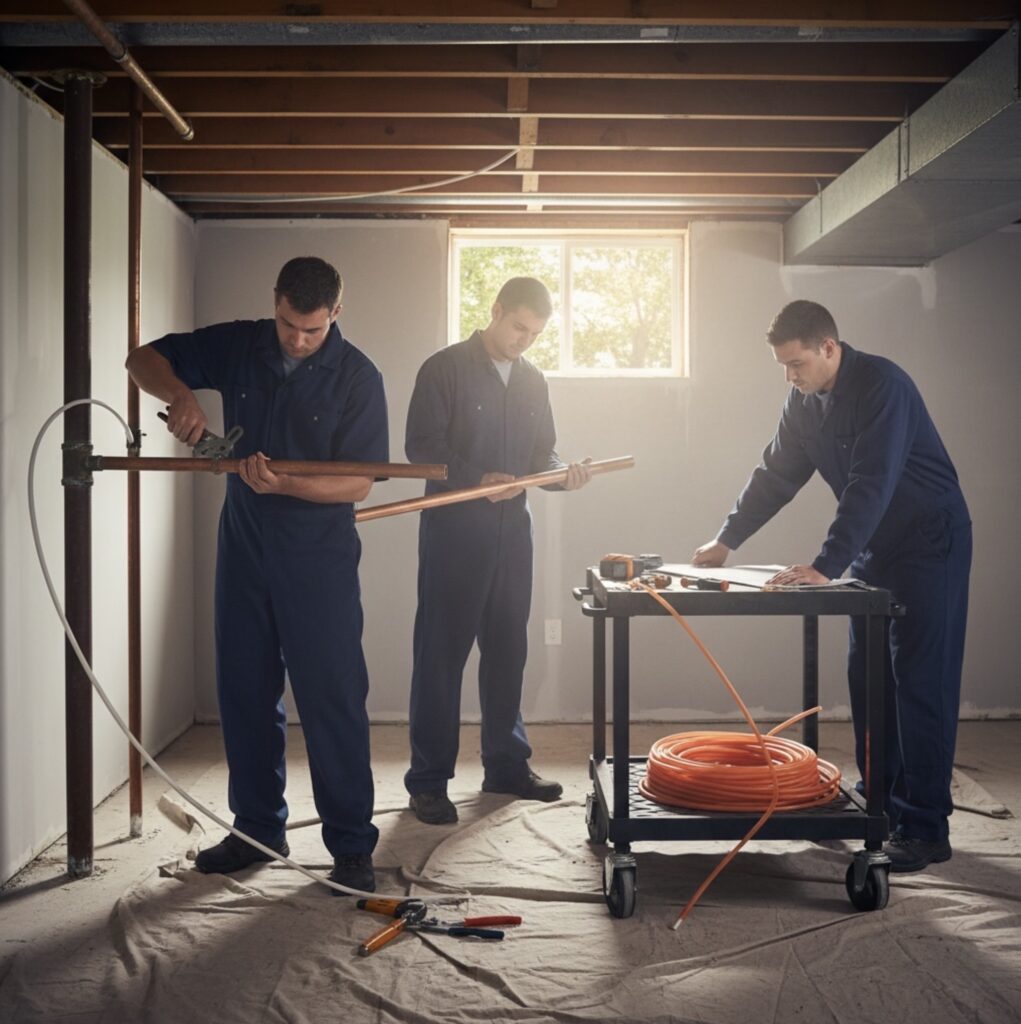
During whole home repiping projects, we coordinate scheduling to minimize downtime. We protect flooring, walls, and fixtures while upgrading your plumbing system.
After installation, we pressure test and inspect the system. We verify proper flow, check connections, and confirm long-term reliability before completing the job.
Our goal is simple. Deliver durable results that protect your investment.
Pipe Replacement Solutions We Offer
We provide comprehensive residential plumbing services tailored to the needs of Maryland homeowners.
Water Pipe Replacement
We replace damaged or corroded interior water lines to restore pressure and improve water clarity.
Main Water Line Replacement
If your home’s primary water supply line is failing, we install high-quality materials designed for long-term performance.
Sewer Pipe Replacement
We address cracked, collapsed, or root-intruded sewer lines with efficient repair and replacement options.
Underground Pipe Repair
Our team locates and repairs buried lines without unnecessary excavation whenever possible.
Burst Pipe Repair & Emergency Pipe Repair
We respond quickly to urgent pipe failures to prevent further property damage.
Old Galvanized Pipe Replacement
We remove outdated galvanized systems and upgrade them to modern piping materials.
Copper Pipe Replacement & PEX Repiping
We install durable copper systems or flexible PEX piping depending on your home’s needs and budget.
Whole Home Repiping
For aging plumbing systems, we offer complete repiping solutions that improve efficiency and reliability.
Local Expertise in Anne Arundel County & Prince George’s County
Plumbing systems in Maryland face unique challenges. Soil composition, water mineral content, and seasonal temperature changes all impact pipe longevity.
As a trusted plumbing contractor in Anne Arundel County, RS Plumbing LLC understands local building codes and permit requirements. We regularly serve homeowners in Annapolis, Bowie, Crofton, Edgewater, Glen Burnie, and surrounding communities.
As a leading plumbing contractor in Prince George’s County, we work with property managers and homeowners in Upper Marlboro, Laurel, Clinton, College Park, and nearby areas.
Our team is fully licensed and insured. We prioritize safety, compliance, and workmanship on every project.
We understand the plumbing infrastructure common to homes built in the 1960s through early 2000s. Many properties in these counties are due for pipe replacement upgrades. Our experience allows us to identify problems quickly and recommend practical solutions.
When you hire RS Plumbing LLC, you are choosing a local company that understands Maryland homes.
Why Choose RS Plumbing LLC?
We focus on precision, transparency, and long-term value.
Our licensed and insured plumbers are trained in advanced pipe replacement techniques. We use high-quality materials built to withstand Maryland’s climate conditions.
We provide honest assessments. If repair is sufficient, we will not push full replacement. If replacement is necessary, we explain why and outline your options clearly.
Customer satisfaction drives our business. Much of our work comes from referrals across Anne Arundel County and Prince George’s County.
We stand behind our workmanship and prioritize clean, professional job sites.
Schedule Your Pipe Replacement Estimate Today
Do not wait for a small plumbing issue to become a major emergency. If you are experiencing leaks, low water pressure, discolored water, or frequent burst pipe repair problems, it may be time to consider professional pipe replacement.
RS Plumbing LLC is ready to help homeowners and property managers with reliable water pipe replacement, sewer pipe replacement, trenchless pipe replacement, and whole home repiping solutions.
Protect your property. Improve your water quality. Restore peace of mind.
Call RS Plumbing LLC today to schedule your inspection and estimate. Our team proudly serves Anne Arundel County and Prince George’s County with expert residential plumbing services you can trust.
Pipe Replacement FAQs
Question: How do I know if I need pipe replacement?
Answer: Several warning signs indicate you may need pipe replacement rather than a simple repair. Frequent leaks in multiple areas of your home, discolored or rusty water coming from your taps, and persistent low water pressure are common indicators. You might also notice water stains on walls or ceilings, unexplained increases in your water bill, or damp spots in your yard. Older homes with galvanized steel or polybutylene pipes are especially prone to deterioration. If your home was built before 1970 and still has original plumbing, it’s wise to schedule a professional inspection. A licensed plumber can perform a camera inspection to assess the condition of your pipes from the inside. This non-invasive evaluation reveals corrosion, cracks, blockages, and deterioration that aren’t visible from the outside. Based on the inspection findings, your plumber will recommend whether spot repairs are sufficient or if a whole house repiping is the more cost-effective long-term solution.
Question: What is the average cost of pipe replacement?
Answer: Pipe replacement cost varies significantly based on several factors, including your home’s size, the extent of damage, pipe material chosen, and accessibility of existing plumbing. For a partial pipe replacement affecting one or two rooms, homeowners typically spend between $1,500 and $4,000. Whole house repiping projects generally range from $4,000 to $15,000 or more, depending on whether it’s a single-story or multi-story home. The type of pipe material impacts pricing—PEX piping is usually the most affordable option, while copper pipes cost more due to material and labor expenses. Trenchless pipe replacement methods may have higher upfront costs but can save money by avoiding extensive excavation and landscape restoration. Location matters too, as labor rates vary across different regions. Most reputable plumbing companies offer free estimates, allowing you to understand your specific situation before committing. Licensed and insured plumbers should provide detailed written quotes that break down material and labor costs, and many offer financing options to make necessary replacements more manageable.
Question: How long does a whole house repiping project take?
Answer: A complete whole house repiping typically takes between two to seven days, depending on your home’s size and complexity. Single-story homes with accessible plumbing lines usually fall on the shorter end of this timeline, while multi-story homes or properties with plumbing running through concrete slabs require more time. The process involves turning off your water supply during active work hours, though experienced plumbing companies often restore basic water service each evening so you’re not left completely without water overnight. Your plumber will create a detailed project timeline during the initial consultation. Factors that affect duration include the square footage of your home, number of bathrooms and fixtures, type of pipe material being installed, and whether walls need to be opened for access. Professional plumbing teams work efficiently to minimize disruption to your daily routine. After installation, the new pipes must be inspected and pressure-tested to ensure everything meets local building codes before walls are closed up. Working with licensed professionals ensures the job is done correctly the first time, avoiding costly callbacks and repairs.
Question: What’s the difference between copper and PEX pipes for repiping?
Answer: Copper and PEX represent the two most popular choices for modern pipe replacement projects, each with distinct advantages. Copper pipes have been the traditional standard for decades and are extremely durable, typically lasting 50 years or more. They’re resistant to bacteria, can handle high temperatures, and won’t leach chemicals into your water supply. However, copper is more expensive and requires skilled soldering during installation. PEX (cross-linked polyethylene) piping has gained popularity as a cost-effective alternative that’s flexible, freeze-resistant, and easier to install. PEX doesn’t corrode, handles expansion and contraction well, and can be installed with fewer joints, reducing potential leak points. The flexible nature of PEX also means fewer fittings are needed compared to rigid copper. Some homeowners prefer copper for its proven longevity and recyclability, while others choose PEX for affordability and installation efficiency. Both materials meet building codes nationwide when installed by licensed plumbers. Your plumbing professional can assess your specific situation—considering factors like local water chemistry, budget, and long-term plans—to recommend the best option for your home’s plumbing pipe upgrade.
Question: Can you replace pipes without tearing up my walls and floors?
Answer: Yes, trenchless pipe replacement technology allows plumbers to replace damaged pipes with minimal disruption to your home’s structure. This innovative method works best for sewer line replacement and main water line replacement, though it has limitations for interior plumbing networks. Trenchless techniques include pipe lining (inserting an epoxy-coated liner inside existing pipes) and pipe bursting (breaking the old pipe while simultaneously pulling new pipe into place). These approaches require only small access points rather than extensive trenching, which means less damage to landscaping, driveways, and flooring. However, for comprehensive whole house repiping, some access to walls is typically necessary to replace branch lines serving fixtures throughout your home. Modern plumbing companies minimize intrusion by creating strategic access points, completing work efficiently, and offering drywall repair services or coordinating with contractors to restore your walls. During your free estimate, ask your licensed plumber about trenchless options if you’re concerned about property disruption. They’ll conduct an inspection to determine whether your specific situation allows for minimal-access methods or requires traditional replacement approaches.
Question: Should I replace galvanized pipes in my older home?
Answer: If your home still has galvanized pipes, replacing them should be a priority. Galvanized steel pipes were common in homes built before 1960 but have a typical lifespan of only 40 to 50 years. These pipes develop serious problems over time as the zinc coating erodes, exposing the steel underneath to corrosion. This creates rust buildup that restricts water flow, causing low pressure throughout your home. Corroded galvanized pipes also contaminate your water supply with rust particles and potentially harmful metals like lead, which was sometimes present in the galvanizing process. You’ll notice discolored, brownish water and may experience frequent leaks as the pipes deteriorate from the inside out. Beyond health concerns, corroded plumbing pipes become increasingly prone to sudden failures that can cause water damage. Most building codes now prohibit new galvanized pipe installations, and insurance companies may charge higher premiums or deny coverage for homes with aging galvanized systems. A licensed and insured local plumbing company can inspect your system and provide a detailed estimate for replacing old galvanized pipes with modern materials like copper or PEX, protecting both your home’s value and your family’s health.
Question: What causes pipes to burst and do they always need replacement?
Answer: Pipes burst for several reasons, with freezing temperatures being the most common culprit. When water freezes inside pipes, it expands and creates pressure that can split the pipe material. Corrosion weakens pipe walls over time, making them vulnerable to ruptures even under normal pressure. High water pressure, physical damage from shifting foundations, and aging materials also contribute to burst pipes. Whether burst pipe repair or complete replacement is necessary depends on the extent of damage and the pipe’s overall condition. If a single section burst due to freezing but the rest of your plumbing system is relatively new and in good shape, your plumber may recommend replacing just the damaged section. However, if the burst occurred due to corrosion or aging, it’s often a warning sign that other sections are similarly deteriorated and likely to fail soon. In these cases, proactive pipe replacement proves more cost-effective than repeated emergency repairs. A professional inspection following a burst pipe incident helps determine the right approach. Licensed plumbers will assess the damaged area and inspect adjacent piping to provide an honest recommendation that balances immediate needs with long-term value.
Question: How does pipe replacement work under a concrete slab?
Answer: Slab leak pipe replacement presents unique challenges because water lines run beneath the concrete foundation of your home. When pipes under a slab develop leaks—often from corrosion, shifting soil, or poor initial installation—you have several repair options. Traditional methods involve breaking through the concrete to access the damaged pipe section, repairing or replacing it, then re-pouring concrete. While effective, this approach is disruptive and costly. Many homeowners opt for pipe rerouting instead, where plumbers abandon the leaking underground section and install new pipes through walls, attics, or crawl spaces. This epoxy pipe lining involves inserting a resin-coated liner into the existing pipe, which hardens to create a new pipe within the old one, though this isn’t suitable for all situations. The best approach depends on factors like the leak’s location, the extent of damage, your home’s layout, and whether other pipes under the slab are also aging. A licensed plumber specializing in slab leak detection will use electronic equipment to pinpoint the exact leak location, then discuss your options with transparent pricing. Many plumbing companies offer warranties on slab leak repairs, giving you peace of mind about this significant investment.
Question: Will pipe replacement increase my home’s value?
Answer: Yes, replacing old, deteriorating pipes typically increases your home’s value and marketability. Updated plumbing is a significant selling point that attracts potential buyers and can command higher offers. Home inspections routinely flag aging or problematic plumbing, and outdated pipe materials like galvanized steel or polybutylene can derail sales or lead to price reductions. Modern pipe systems installed by licensed professionals demonstrate that critical infrastructure has been properly maintained and upgraded. Buyers appreciate not having to budget for major plumbing work immediately after purchase. Additionally, new pipes come with warranties—often 25 years or more on materials and workmanship—providing transferable protection that adds tangible value. Beyond resale considerations, pipe replacement improves your daily quality of life through better water pressure, cleaner water, fewer emergency repairs, and lower water bills from eliminated leaks. Insurance companies may also offer better rates when aging plumbing systems are replaced, as this reduces the risk of costly water damage claims. While pipe replacement requires upfront investment, it’s a home improvement that delivers returns through increased property value, reduced maintenance costs, and improved functionality for years to come.
Question: Do I need permits for pipe replacement work?
Answer: Yes, most pipe replacement projects require building permits to ensure work meets local plumbing codes and safety standards. Permit requirements vary by location and project scope—whole house repiping almost always requires permits, while replacing a single section might not, depending on your municipality. Reputable, licensed plumbing companies handle the permit application process as part of their service, pulling necessary permits before work begins. This protects you legally and ensures your project passes required inspections. Permitted work includes official inspections at various stages, verifying that materials, installation methods, and pressure testing meet code compliance. These inspections protect your investment by catching potential issues before walls are closed and finished. Some homeowners are tempted to skip permits to save money, but this creates serious risks. Unpermitted work can result in fines, complications when selling your home, denied insurance claims if problems arise, and the expense of redoing work to pass inspection later. When you hire licensed and insured plumbers, they ensure all work is properly permitted and inspected. This documentation becomes part of your home’s permanent record, demonstrating that critical plumbing infrastructure was professionally upgraded to current standards.
Question: How often should pipes be replaced in a home?
Answer: Pipe lifespan varies significantly based on material type, water quality, installation quality, and maintenance. Copper pipes typically last 50 to 70 years when properly installed, making them one of the longest-lasting options. PEX piping is newer but is expected to last 40 to 50 years based on current data. Galvanized steel pipes have a shorter lifespan of 40 to 50 years and often fail sooner due to corrosion. Brass pipes can last 40 to 70 years, while older polybutylene pipes (commonly installed in the 1980s and 1990s) are prone to failure and should be replaced proactively. Rather than following a strict replacement schedule, it’s smarter to watch for warning signs of deterioration—discolored water, low pressure, frequent leaks, or visible corrosion. Homes over 50 years old with original plumbing should have professional inspections every few years, even without obvious problems. Water chemistry also affects lifespan; highly acidic or mineral-rich water accelerates pipe degradation. Preventive replacement based on pipe age and condition is always more cost-effective than waiting for emergency failures. Schedule an inspection with a local plumbing company near me if your home’s age suggests aging pipes, allowing you to plan and budget for replacement before experiencing costly water damage.
Question: What warranty should I expect on new pipe installation?
Answer: Quality plumbing companies provide comprehensive warranties covering both materials and workmanship on pipe replacement projects. Material warranties come from manufacturers and typically range from 25 years to lifetime guarantees, depending on the pipe type—copper and PEX manufacturers generally offer extensive coverage. Workmanship warranties from your plumbing company should cover the installation quality for at least one to five years, with many reputable companies offering longer protection. A solid warranty should cover leaks resulting from installation errors, faulty connections, and material defects. Before signing any contract, ask specifically what’s covered, the warranty duration, whether it’s transferable to new homeowners, and the process for making warranty claims. Licensed and insured plumbers stand behind their work with written warranty agreements that provide specific details rather than vague promises. Be cautious of companies that don’t offer clear warranty terms or that offer unusually short coverage periods—this may indicate lower quality work or materials. Reputable plumbing professionals take pride in their craftsmanship and willingly provide strong warranties because they’re confident in their work. Keep all warranty documentation with your home records, as this protection adds value and provides peace of mind for years after your pipe replacement project is complete.
Question: Can I live in my home during pipe replacement?
Answer: Yes, most homeowners remain in their homes during pipe replacement projects, though you should expect some inconvenience. Professional plumbing companies work efficiently to minimize disruption while completing necessary work. Your water supply will need to be shut off during active working hours, but experienced plumbers typically restore basic water service each evening so you can use bathrooms and kitchen facilities overnight. For whole house repiping, plumbers often work room by room or section by section, allowing you to maintain functionality in unaffected areas. You’ll experience some noise from cutting, drilling, and pipe fitting, similar to other renovation projects. Dust and debris are inevitable when accessing pipes within walls, though professional crews use protective coverings and clean up thoroughly each day. If you have specific concerns—small children, work-from-home requirements, or health considerations—discuss these during your initial consultation. Some homeowners choose to stay with family or in hotels for a few days during the most disruptive phases, particularly for extensive projects. Your plumbing company should provide a detailed timeline showing when specific areas will be affected, allowing you to plan accordingly. The temporary inconvenience is worthwhile considering the long-term benefits of reliable, modern plumbing throughout your home.
Question: What’s the difference between water line and sewer line replacement?
Answer: Water line replacement and sewer line replacement involve different systems serving opposite functions in your home’s plumbing infrastructure. Water lines bring fresh, pressurized water into your home from the municipal supply or well, branching throughout your house to serve fixtures. These pipes are typically smaller diameter (half-inch to one-inch) and operate under significant pressure. Water line problems manifest as low pressure, discolored water, wet spots in your yard, or unexpectedly high water bills. Sewer lines, conversely, carry wastewater away from your home to the municipal sewer system or septic tank. These are larger diameter pipes (usually three to four inches) that rely on gravity rather than pressure. Sewer line issues cause backups, slow drains throughout your home, sewage odors, or soggy areas in your yard above the pipe route. While both may require replacement due to age, corrosion, or damage, the materials, methods, and costs differ. Water line replacement focuses on maintaining clean water delivery and preventing contamination, while sewer pipe replacement emphasizes proper waste removal and preventing environmental hazards. Many plumbing companies specialize in both services and can assess your complete plumbing system. If you’re experiencing issues with either system, schedule an inspection with a licensed plumber near me who can diagnose the problem and recommend appropriate solutions.
Question: Do plumbing companies offer financing for pipe replacement?
Answer: Yes, many established plumbing companies offer financing options to help homeowners manage the cost of necessary pipe replacement projects. Pipe replacement is often an unexpected expense, and financing allows you to address critical plumbing issues immediately rather than delaying repairs that could lead to more expensive damage. Financing arrangements vary but commonly include payment plans with flexible terms, competitive interest rates, and sometimes promotional periods with deferred or reduced interest. Some plumbing companies partner with third-party financing providers, while others offer in-house payment plans. During your free estimate, ask about available financing options, application requirements, approval timelines, and specific terms. Many companies offer online applications with quick approval decisions, making the process convenient. When comparing plumbing companies, consider financing availability alongside experience, licensing, warranties, and customer reviews. Financing shouldn’t be the only deciding factor, but it can make working with quality, licensed professionals more accessible. Before committing to financing, ensure you understand the total cost, interest charges, payment schedule, and any penalties for early payoff. Addressing plumbing problems promptly with financing is often smarter than delaying necessary work, which risks emergency situations, water damage, and ultimately higher total costs when problems worsen.
Ready to schedule your pipe replacement consultation? Contact our licensed and insured plumbing team today for a free estimate and comprehensive pipe inspection. We serve homeowners throughout [your service area] with transparent pricing, quality workmanship, and warranties you can trust.