BEST EMERGENCY PLUMBER in Glen Burnie, MD - Available 24/7
Plumbing Services in Glen Burnie, MD | RS Plumbing LLC
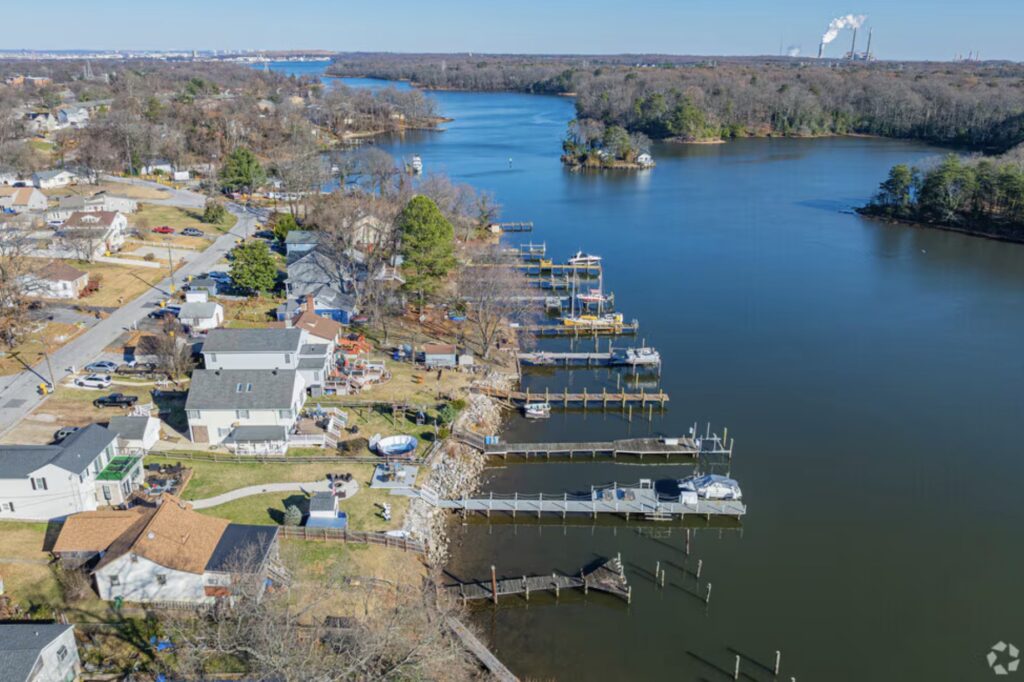
Glen Burnie moves at its own pace — part suburban sprawl, part working waterfront, part old Anne Arundel County community that remembers when Ritchie Highway was the main corridor connecting everything south of Baltimore. The housing stock here tells that story clearly. Drive through Harundale on a weekday morning and you’ll pass brick ranchers and cape cods built in the late 1950s and early 1960s, houses that were solidly constructed but are now carrying original galvanized supply lines that have spent six decades slowly narrowing from the inside out. That’s not a hypothetical. That’s what RS Plumbing LLC finds routinely when a homeowner near Furnace Branch Road calls about low water pressure that’s gotten progressively worse over the past two years.
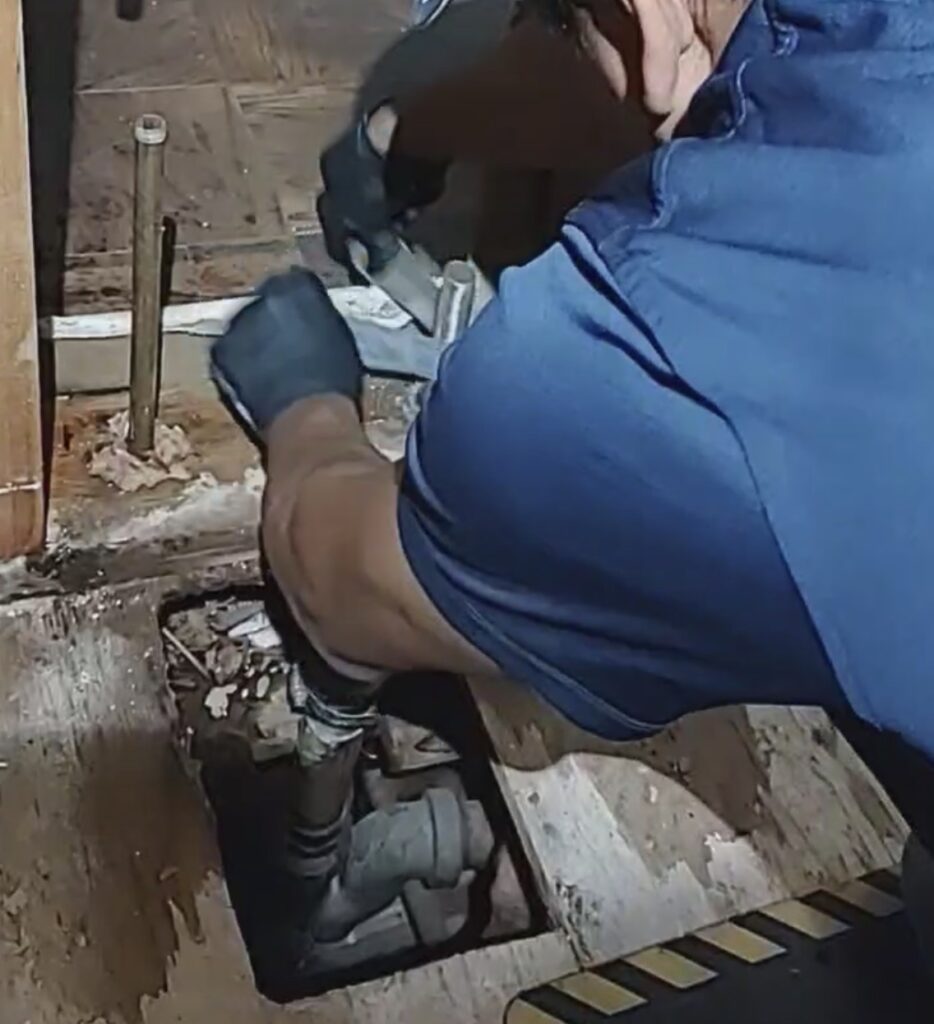
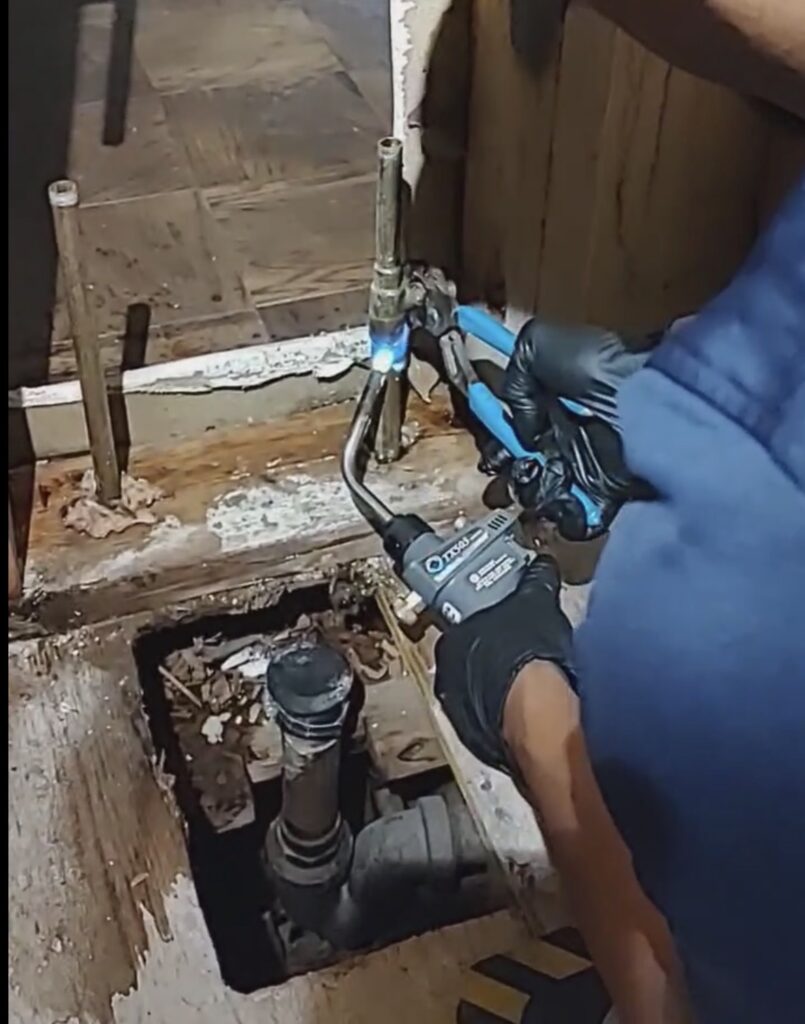
One job that stands out: a single-story rancher just off Crain Highway where the owners had been dealing with what they described as “almost no pressure in the back bathroom.” They’d already replaced the showerhead twice, assuming that was the problem. The actual issue was a galvanized line feeding that wing of the house that had corroded internally to roughly a quarter of its original diameter. Once a section was cut open, the restriction was immediately visible — a dark, rust-colored buildup that had been accumulating since the Eisenhower administration. RS Plumbing replaced the affected galvanized runs with copper and cross-linked polyethylene where access required flexibility, restored full pressure, and noted during the walkthrough that the water heater was also showing signs of sediment buildup consistent with homes on this part of the county’s water system.
That kind of whole-system awareness matters in Glen Burnie, where the plumbing problems in one area of a house rarely exist in isolation.
The neighborhoods around Marley Station see a different mix of homes — more builder-grade construction from the 1980s and 1990s, which carries its own set of concerns. Polybutylene pipe, where it was installed, has long been a known liability. But even copper installed during that era can develop pinhole leaks over time, especially where water chemistry has been harder on fittings. A townhouse not far from the Marley Station Mall area came in as an emergency call after a homeowner noticed a section of drywall near the kitchen had gone soft. By the time RS Plumbing arrived, water had been wicking into the wall cavity long enough that the subfloor below was beginning to show moisture. The leak itself was a failed compression fitting behind the dishwasher connection — slow enough that it never tripped the shutoff, fast enough to cause real structural concern over several weeks. The repair was straightforward. The early detection advice that followed — including identifying two other fittings in the utility area that showed early signs of the same issue — prevented what could have been a significantly larger problem.
Sewer line work in Glen Burnie has its own character. The older sections near Curtis Bay and the Brooklyn Park connection to the north share a common problem with mature tree canopy: roots. Specifically, the way established silver maples and pin oaks send fine root tendrils into clay tile sewer laterals that were laid down in the 1950s and 1960s. A homeowner near the B&A Trail corridor contacted RS Plumbing after repeated drain backups following heavy rainfall — a classic sign that a main sewer line is compromised enough that any surge in flow overwhelms the remaining capacity. Camera inspection confirmed root intrusion at two points along the lateral, with partial collapse beginning at the farther section. The work involved hydro-jetting to clear the roots and restore flow, followed by a full assessment of whether the line was a candidate for lining or required open excavation and replacement. In this case, lining was viable for most of the run, sparing the homeowner significant disruption to a mature landscaped yard.
That scenario plays out with some regularity in the older residential grid between Furnace Branch and the neighborhoods feeding toward the UM Baltimore Washington Medical Center area. The infrastructure is aging and the trees are large. Those two facts together explain a significant percentage of the sewer calls RS Plumbing handles in this part of the county.
Slab leaks are less common in Glen Burnie than in areas with predominantly slab-on-grade construction, but they do occur, particularly in the postwar ranchers that sit on concrete slabs rather than full basements. One job in a Ferndale-area neighborhood involved a homeowner who’d noticed their water bill had nearly doubled over three billing cycles without any obvious explanation — no dripping faucets, no running toilets, no visible wet spots. Pressure testing isolated the problem to a copper line running beneath the slab serving the hall bath. Electronic leak detection pinpointed the location without requiring speculative jackhammering. The repair involved a controlled penetration, replacement of the failed section, and proper patching — finished well enough that the homeowner couldn’t tell where the work had been done.
Water heaters throughout Glen Burnie’s older housing stock are frequently undersized by modern household standards and overdue for replacement by any measure. The rancher and split-level homes built here in the 1960s and 1970s often have 40-gallon units tucked into utility closets that were last replaced sometime in the previous decade — or longer. RS Plumbing has replaced numerous water heaters throughout the Tanyard Springs adjacent communities and the residential streets feeding off Ritchie Highway, including situations where the original unit had already begun leaking from the base, a sign that the tank lining has failed and replacement is no longer optional. In several of those jobs, upgrading to a larger or more efficient unit also required adjusting the venting configuration and verifying that the gas supply line and shutoff met current code — details that matter for both safety and warranty compliance.
Basement moisture and sump pump reliability are recurring concerns in Glen Burnie’s lower-lying sections, where the area’s proximity to tidal creeks and relatively flat topography creates drainage challenges during nor’easters and heavy spring rain events. A homeowner in the Glen Burnie Town Center vicinity called after a sump pump failed during an overnight storm — not catastrophically, but enough that several inches of water had reached the finished portion of the basement. The failed pump was a float-switch failure on a unit that was well past its service life. RS Plumbing installed a replacement with a backup float mechanism and advised on a battery backup system given the frequency of power interruptions in the area during storm events.
RS Plumbing LLC has been working inside homes and alongside homeowners throughout Glen Burnie and the broader Anne Arundel County area long enough to recognize what different neighborhoods tend to present — which streets carry the oldest infrastructure, where tree root intrusion is most likely, which housing eras bring which plumbing vulnerabilities. That institutional familiarity with local conditions isn’t something that shows up on a service menu, but it shapes every diagnostic conversation and every repair decision made on behalf of homeowners across this community.
Plumbing Services We Offer in Glen Burnie, MD:
- Emergency 24/7 Plumbing Repair
- Water Heater Installation
- Tankless Water Heater Installation
- Drain Cleaning
- Same-day Plumbing Services
- Water Filtration and Water Softener Installation
- Clogged Toilet Repair
- Clogged Drain Repair
- Clogged Sink Repair
- Leak Detection and Repair
- Burst Pipe Repair
- Water Heater Repair
- Main Sewer Line Cleaning
- Sump Pump Repair & Installation
- Water Line Repair and Replacement
- Sewer Line Repair
- Faucet Repair and Replacement
- Pipe Replacement
- Toilet Replacement
- Hot Water Heater Replacement
- Hydro Jetting Services
- Sewer Camera Inspection
- Gas Line Repair & Installation
- Residential Plumbing Repair
- Commercial Plumbing
Glen Burnie, MD - Plumbing FAQs
Question: Why do so many older homes in Glen Burnie have low water pressure, and is it a sign of something serious?
Answer: Low water pressure is one of the most common complaints we hear from homeowners in older Glen Burnie neighborhoods like Harundale and Ferndale, and it’s almost never just an inconvenience — it’s usually a symptom of something going on inside the pipes. A large portion of the housing stock in Glen Burnie was built in the 1950s through the 1970s, and many of those homes still have their original galvanized steel supply lines. Over decades, galvanized pipe corrodes from the inside out, and the buildup of rust and mineral scale steadily chokes off water flow. What starts as slightly weaker shower pressure eventually becomes a trickle at the tap. If your Glen Burnie home is more than 40 or 50 years old and you’ve never had the water lines inspected, there’s a reasonable chance galvanized pipe is the culprit. A licensed plumber can run a pressure test and camera inspection to confirm the cause — and in many cases, repiping with copper or PEX is the long-term fix that makes the most sense.
Question: What causes basement flooding in Glen Burnie homes, and how do I know if my sump pump is actually working?
Answer: Basement flooding in Glen Burnie is a serious and recurring issue, particularly in neighborhoods that sit in lower-lying areas near Marley Creek, Furnace Branch, and other drainage corridors that cut through Anne Arundel County. The region’s clay-heavy soil doesn’t absorb water efficiently during heavy rain, so hydrostatic pressure builds up fast against foundation walls. A properly functioning sump pump is the first line of defense, but many homeowners don’t realize their pump has failed until water is already on the floor. To test your sump pump, slowly pour water into the pit until the float rises and triggers the pump — if it doesn’t activate, or if it runs but doesn’t move the water, the pump needs service or replacement. Battery backup systems are especially important in Glen Burnie because the same storms that flood basements also knock out power. If you’ve had recurring water intrusion despite having a sump pump, a plumber should also inspect your interior drain tile system and check whether the discharge line is clear and routed far enough from the foundation.
Question: My toilet is backing up into the basement floor drain — what does that mean for my Glen Burnie home?
Answer: A toilet backing up into a basement floor drain is one of the clearest warning signs of a main sewer line blockage, and it’s something no homeowner in Glen Burnie should ignore or delay addressing. When a lower fixture like a floor drain starts receiving sewage that should be going out to the street, it means the blockage is somewhere in the main line downstream of that point — usually between the house and the municipal sewer connection. In established Glen Burnie neighborhoods, tree roots are one of the leading causes of this kind of backup. The mature trees lining streets near Tanyard Springs, Point Pleasant, and throughout older sections of the community send roots directly into clay or cast iron sewer pipes through even the smallest crack. Once roots get inside, they grow fast and can completely obstruct flow within a season or two. A sewer camera inspection will show exactly where the blockage is and whether it’s roots, pipe collapse, grease buildup, or a combination. This is not a situation where chemical drain cleaners or a standard plunger will help — it requires professional sewer line repair or hydrojetting from a plumber equipped to handle main line work in Glen Burnie.
Question: How do I know if I have a hidden leak behind my walls, and why is my water bill so high?
Answer: An unexplained spike in your water bill is often the first sign of a leaking pipe behind a wall, under a slab, or somewhere else out of sight. In Glen Burnie homes — especially those built in the post-war decades with aging copper or galvanized supply lines — pinhole leaks are increasingly common. These small leaks can go undetected for months, quietly saturating wall cavities, subfloor materials, and insulation before any visible damage appears. One simple check: turn off every water fixture in the house, then watch the meter for 15 to 30 minutes. If the meter dial keeps moving, water is going somewhere it shouldn’t. Other signs include soft spots in drywall, water stains on ceilings, a musty smell without an obvious source, or sections of flooring that feel warm underfoot — which can indicate a hot water line leak beneath a slab. A plumber experienced with leak detection can use acoustic listening equipment and thermal imaging to locate the source without tearing open walls unnecessarily. Catching a hidden leak early in a Glen Burnie home can prevent thousands of dollars in structural damage and mold remediation costs.
Question: Are slab leaks common in Glen Burnie, and what are the warning signs I should watch for?
Answer: Slab leaks do occur in Glen Burnie, though they’re not as universally common here as in some other parts of the country. That said, homes built on concrete slab foundations — particularly those constructed in the 1960s and 1970s — are at real risk as the copper lines embedded beneath that concrete age and begin to fail. Soil movement, the mild but real freeze-thaw cycling Maryland winters bring, and the mineral content of local water all contribute to pipe deterioration over time. The warning signs homeowners should watch for include warm or hot spots on hard flooring, the sound of water running when nothing is turned on, cracks appearing in floors or baseboards without an obvious cause, and a water bill that keeps climbing without explanation. Areas near BWI Airport and throughout the Cromwell Fountain area include homes of this vintage where slab leaks have been an emerging concern. A slab leak left unaddressed will eventually compromise the foundation itself, so it warrants a prompt call to a plumber in Glen Burnie who can perform a pressure test and confirm the diagnosis before recommending whether rerouting or spot repair makes more sense for your specific situation.
Question: What’s the typical lifespan of a water heater in Glen Burnie, and when should I think about replacing mine?
Answer: Most traditional tank-style water heaters have a functional lifespan of 8 to 12 years under normal conditions, but in Glen Burnie and throughout Anne Arundel County, that lifespan can run shorter depending on water quality and how well the unit has been maintained. The water in this region carries moderate mineral content, and sediment accumulates at the bottom of the tank over time — reducing efficiency, creating a popping or rumbling sound during heating cycles, and ultimately accelerating corrosion of the tank itself. If your water heater is approaching the 10-year mark, it’s worth a professional assessment even if it hasn’t failed yet. Signs that replacement is overdue include rust-colored hot water, water pooling around the base of the unit, inconsistent hot water delivery, or a pilot light that keeps going out on older gas models. Upgrading to a high-efficiency tank or tankless water heater is a conversation worth having with a plumber — modern units offer significantly better energy performance and, in some cases, utility rebates from BGE for qualifying Anne Arundel County customers. Water heater repair in Glen Burnie is straightforward when issues are caught early, but a failing tank that ruptures can cause serious water damage.
Question: How serious is tree root intrusion into sewer lines, and is it common in Glen Burnie neighborhoods?
Answer: Tree root intrusion is genuinely one of the most common and underestimated plumbing problems in Glen Burnie, particularly in the older, more established residential areas where large trees have had decades to extend their root systems into underground infrastructure. Roots naturally seek moisture, and even a hairline crack in an aging clay or cast iron sewer pipe is enough of an opening to attract them. Once inside, roots don’t just stay small — they branch and expand until they’ve created a dense mass that catches everything passing through the line. Homeowners near Furnace Branch Road, throughout Marley, and in neighborhoods adjacent to the park and creek systems around Glen Burnie often discover root intrusion only after experiencing repeated slow drains, gurgling sounds from toilets, or a full sewer backup. The standard approach is hydrojetting to clear the roots mechanically, combined with a video camera inspection to assess how much damage has been done to the pipe walls. If the pipe itself has been compromised, trenchless sewer repair or pipe lining can often restore full function without the disruption of traditional excavation. Regular drain maintenance and a periodic sewer camera inspection — especially in homes more than 30 years old — go a long way toward catching root problems before they become emergencies.
Question: My pipes make a loud banging noise when I turn the water off — is that a plumbing problem I need to fix?
Answer: That banging sound has a name — water hammer — and while it might seem like just a nuisance, it can cause real damage to pipes and fittings over time if it goes unaddressed. Water hammer happens when fast-closing valves — like those inside modern dishwashers, washing machines, and toilets — cut off flow abruptly, sending a pressure shockwave back through the line. In older Glen Burnie homes where pipes may already be showing their age, that repeated stress accelerates wear at joints and fittings. The fix typically involves installing water hammer arrestors at the affected fixtures, which absorb the pressure spike before it travels through the line. In some cases, the issue is related to excessively high incoming water pressure — Anne Arundel County municipal water comes in at pressures that can exceed what residential plumbing is designed to handle comfortably, and a pressure-reducing valve at the main entry point resolves both the water hammer and the broader strain that high pressure puts on every fixture in the house. A plumber in Glen Burnie can test your incoming pressure in minutes and advise whether a PRV installation makes sense for your home.
Question: What should Glen Burnie homeowners do to protect their pipes during cold Maryland winters?
Answer: Maryland winters don’t get the press that northern states do, but the freeze-thaw pattern Anne Arundel County experiences is actually more damaging to residential plumbing than consistently frigid temperatures. When outdoor temps drop into the teens or single digits — which happens multiple times most winters in the Glen Burnie area — pipes in unheated spaces are genuinely at risk. The most vulnerable locations are pipes running through exterior walls, in uninsulated crawl spaces, in garages, and in the unconditioned utility spaces common in split-level and rancher-style homes throughout the area. Before the first hard freeze, outdoor hose bibs should be shut off from inside the house and drained. Cabinet doors under sinks on exterior walls should be left open during cold snaps to allow warm air to reach the pipes. If you’re leaving for the holidays, don’t set the thermostat below 55 degrees — pipes don’t care that nobody’s home. For homes that have had a freeze event in the past, a plumber can add pipe insulation or heat tape to the most exposed sections. A burst pipe from a hard freeze can release hundreds of gallons before it’s discovered, and emergency plumber calls in Glen Burnie spike sharply every January and February — a little prevention goes a long way.
Question: How do I find a trustworthy plumber in Glen Burnie, and what should I ask before hiring one?
Answer: Finding a reliable plumbing company near Glen Burnie comes down to a few key things: verified Maryland licensure, local experience, and honest communication before any work begins. Maryland requires plumbers to be licensed through the Maryland Board of Master Electricians and Plumbers, and homeowners should feel comfortable asking any contractor to confirm their license and carry proof of general liability insurance before they start work. Beyond credentials, look for a company with demonstrated experience in the specific type of work you need — sewer line repair, water heater replacement, or leak detection each require different expertise, and a company that does all of it regularly in Anne Arundel County will have the local knowledge to do it right. When you call, pay attention to whether the company gives you a straight answer about pricing or hides behind vague estimates until they’re standing in your home. A trustworthy plumber in Glen Burnie will explain what they found, walk you through the repair options at different price points, and give you a written estimate before any work begins. Reviews on Google Maps, Nextdoor, and neighborhood-specific Facebook groups for Harundale, Tanyard Springs, and other Glen Burnie communities are often more candid and locally relevant than aggregated review platforms — and worth reading before you make a decision.